
How Long Does Botanical Skincare Last: Storage & Shelf Life
Table of Contents
- How Long Does Botanical Skincare Last: Understanding Shelf Life
- How to Store Natural Beauty Products for Maximum Potency
- Signs of Expired Natural Skincare: What to Watch For
- Preservatives in Botanical Skincare and Their Role
- Ingredient Stability and Bioactive Potency Over Time
- Microbial Contamination Risks in Natural Skincare
- Extending the Life of Your Botanical Skincare
- Frequently Asked Questions
Last Updated: October 4, 2026
How Long Does Botanical Skincare Last: Understanding Shelf Life
How long does botanical skincare last? The answer depends on several factors: the formulation type, storage conditions, ingredient composition, and whether the product contains water. Most botanical skincare products last between 6 to 12 months when stored properly, though some shelf-stable formulations can remain potent for up to 2 years.
Botanical products are fundamentally different from conventional skincare. They're made with real plant extracts, botanical oils, and natural preservative systems, not synthetic stabilizers designed to extend shelf life indefinitely. This means you need to understand how to store and use them correctly.
Why Botanical Products Have Different Lifespans
Shelf life depends on formulation type, botanical extracts used, and storage habits. A water-free tallow butter behaves completely differently from a water-based serum.
Water-based formulations are vulnerable to microbial growth and require either synthetic or natural preservatives. Water-free formulations are naturally more stable because microbes can't thrive without water.
Botanical extracts and cold-pressed oils oxidize over time when exposed to air, light, and heat, changing their color, smell, and potency. Oils rich in vitamin C and antioxidants degrade faster because those compounds are consumed in oxidation.
Cold-pressed oils retain more bioactive compounds but are less stable than extracts stabilized with vitamin E or tocopherol.
Water-Free vs. Water-Based Formulations
Water-free formulations use botanical oils, butters, waxes, and tallow as the base. Without water, there's no environment for bacterial or mold growth. A properly stored water-free product lasts 12 to 24 months or longer, with oxidative stability as the main concern.
Water-based formulations contain water as a primary ingredient, enabling lighter textures and higher hydrating concentrations. Water requires preservation to prevent contamination. Water-based products typically last 6 to 12 months once opened.
| Formulation Type | Typical Shelf Life | Main Stability Risk | Storage Priority |
|---|---|---|---|
| Water-free (oils, butters, tallow) | 12-24 months | Oxidation, rancidity | Cool, dark storage |
| Water-based (serums, creams) | 6-12 months | Microbial contamination | Cool storage, airtight container |
| Anhydrous with preservatives | 9-18 months | Oxidation + microbial | Cool, dark, dry storage |
Water-free products can still go rancid if stored in direct sunlight or heat, but offer a wider shelf-life window than water-based products.
How to Store Natural Beauty Products for Maximum Potency
Proper storage extends shelf life significantly. Temperature, light exposure, and moisture are the three critical factors.
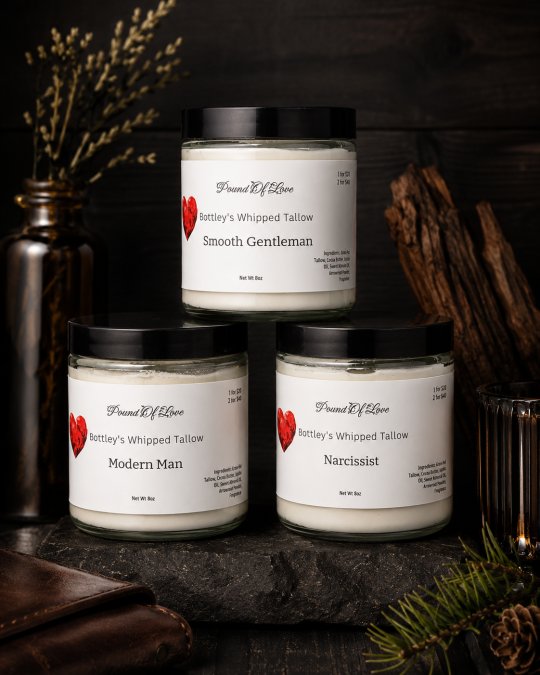
Temperature and Light Control
Heat accelerates oxidation; every 10-degree increase roughly doubles degradation rate. Keep skincare between 50 and 70 degrees Fahrenheit. A bedroom closet is better than a bathroom because it avoids humidity spikes from showers.
Direct sunlight triggers oxidation. Store products in opaque or amber-colored containers away from windows.
Refrigeration extends shelf life for water-based products and oxidation-prone ingredients like sea buckthorn or rosehip. Cold slows oxidation and prevents microbial growth.
Moisture and Contamination Prevention
Humidity promotes microbial growth in water-based products and can cause water-free products to absorb moisture, creating conditions for mold.
Keep products in airtight containers. Use a clean spatula or spoon to remove product instead of your fingers, this habit extends shelf life by months.
Store skincare away from the bathroom if possible. If you must store in the bathroom, use a sealed cabinet or drawer that stays dry.
Signs of Expired Natural Skincare: What to Watch For
Botanical products show clear signs when they're no longer safe or effective to use. Learn to recognize these signals so you don't apply degraded products to your skin.
Visual and Olfactory Changes
Color shift signals oxidation. Slight darkening over months is normal; dramatic shifts in weeks suggest poor storage.
Separation in water-based products indicates preservative failure and instability. Discard the product.
Smell changes matter. Rancid or musty odors indicate oxidation or microbial growth, discard the product.
Bottley's All-Natural Facial Moisturizer →
Texture and Consistency Shifts
Thickening, hardening, or graininess indicates moisture loss or emulsion breakdown, the formulation has destabilized.
If you notice any of these changes, stop using the product. Expired skincare won't deliver the benefits you expect, and degraded products can irritate sensitive skin.
Preservatives in Botanical Skincare and Their Role
Preservation is essential in water-containing skincare. The question is what kind.
Natural Preservative Systems vs. Synthetic Alternatives
Natural preservative systems use botanical extracts and essential oils with antimicrobial properties: rosemary extract, vitamin E, tea tree and lavender oils, and citric acid.
Natural preservative systems are gentler on sensitive skin but less powerful than synthetics. Natural systems keep products stable for 9 to 12 months; synthetic preservatives extend that to 24+ months.
Synthetic preservatives like parabens and phenoxyethanol prevent contamination reliably but are chemicals your skin absorbs.
The trade-off is real: natural preservation gives you fewer synthetic chemicals but a shorter shelf life. You have to use your product faster and store it more carefully.
Period After Opening (PAO) Symbols Explained
The Period After Opening (PAO) symbol appears on many skincare products as a small jar icon with a number and the letter "M" (for months). It tells you how long the product stays safe after you first open it.
A PAO of "12M" means the product is safe for 12 months after opening, assuming proper storage. A PAO of "6M" means 6 months. This timeline accounts for microbial contamination risk and ingredient degradation once the product is exposed to air.
PAO is different from expiration date. The expiration date on the package reflects the unopened shelf life. PAO reflects the opened shelf life. An unopened product might last 24 months. Once opened, it's safe for only 12 months.
Look for the PAO symbol on products you buy. If it's not listed, ask the manufacturer. Reputable brands disclose this information because it's critical for product safety.
Ingredient Stability and Bioactive Potency Over Time
The potency of botanical skincare depends on the stability of its active ingredients. Over time, bioactive compounds degrade. Understanding which ingredients are most vulnerable helps you store products correctly and use them before they lose effectiveness.
Oxidative Stability of Botanical Oils and Extracts
Vitamin C is highly unstable. It oxidizes rapidly when exposed to air and light. Vitamin C serums often last only 3 to 6 months once opened, even with proper storage.
Rosehip oil and other seed oils rich in polyunsaturated fats oxidize faster than stable oils like coconut or jojoba. Rosehip is potent but perishable.
Sea buckthorn oil contains high levels of vitamin C and carotenoids, making it extremely potent but also vulnerable to oxidation. It requires cool, dark storage and refrigeration after opening.
Antioxidant-rich extracts like green tea, resveratrol, and polyphenols degrade over time. The antioxidants that make them beneficial are the same compounds that oxidize. Expect shorter shelf life from products heavy in these actives.
Stable botanical oils like jojoba, argan, and coconut oil resist oxidation better. Products formulated with these oils last longer. Jojoba oil, in particular, is remarkably stable because its composition mimics skin's natural sebum.
Cold-Pressed and Anhydrous Formulations
Cold-pressed oils are extracted without heat, which preserves more bioactive compounds. But those same delicate compounds are more vulnerable to oxidation. Cold-pressed products are potent but require careful storage.
Anhydrous formulations, products with zero water, are naturally more stable because they don't support microbial growth. An anhydrous product with cold-pressed oils and botanical butters, like our Bottley's All Natural Facial Moisturizer, stays potent longer than a water-based serum because there's no water to harbor microbes and the formulation is sealed from oxidation more effectively in a jar.

Anhydrous doesn't mean indefinite shelf life. The oils still oxidize. But you get a wider window, often 18 to 24 months with proper storage, compared to water-based products.
Bottley's All-Natural Facial Moisturizer →
Microbial Contamination Risks in Natural Skincare
Water-based botanical products face a real contamination risk. Understanding this risk helps you make informed decisions about storage and usage.
Bacteria and mold grow in water. If a product contains water and lacks effective preservation, contamination is inevitable. Even with preservation, contamination can occur if the product is stored improperly or if you introduce bacteria through repeated finger-dipping.
Contaminated products may not show obvious signs immediately. The product might look and smell fine but harbor growing colonies of microbes.
This is why water-free formulations are inherently safer. They eliminate the primary growth medium for microbes. A tallow-based moisturizer is far less likely to become contaminated than a water-based cream, even with less rigorous storage.
If you use water-based products, take contamination seriously. Use a clean applicator every time. Store in a cool place. Don't leave the jar open. Replace the product within the PAO window.
Extending the Life of Your Botanical Skincare
You can extend shelf life through smart choices about formulation, storage, and usage habits.
Batch Testing and Quality Assurance
Reputable botanical skincare brands conduct stability testing on their products. This testing determines realistic shelf life and PAO recommendations. When you buy from a brand that discloses testing data and PAO symbols, you know they've validated their products' stability.
Small-batch, handcrafted products from brands like Pound Of Love Naturals are formulated with stability in mind. Each batch is made fresh, which means you're getting a product closer to its peak potency. Small-batch production also means less time sitting in warehouses before it reaches you.
Ask your skincare brand about their stability testing and batch dates. Reputable brands track batch numbers and can tell you when your product was made. Fresher products last longer because you're starting from day one of their shelf life, not month six.
Choosing Shelf-Stable Formulations
If shelf life is a priority, choose water-free products. They're inherently more stable. A botanical oil, butter, or anhydrous cream will outlast a water-based serum every time.
Look for products formulated with stable botanical oils, jojoba, argan, coconut, rather than highly oxidation-prone oils. These last longer without sacrificing potency.
Choose products in dark glass containers with airtight seals. Packaging matters. Amber or opaque glass protects against light damage. Pump dispensers minimize air exposure compared to open jars.
Buy the size you'll actually use within the PAO window. A large jar of serum might seem economical, but if you won't use it within 6 months, you'll waste product as it degrades.
Botanical skincare lasts longest when you understand what you're working with and store it properly. Water-free formulations stay potent for 12 to 24 months.
At Pound Of Love Naturals, we craft products with stability and potency in mind. Our Bottley's All Natural Facial Moisturizer is formulated as an anhydrous blend, which means it resists oxidation and microbial contamination naturally.
Frequently Asked Questions
How long does botanical skincare last once opened?
Most handcrafted botanical skincare products remain potent for 6-12 months after opening, depending on formulation. Water-based products with natural preservative systems typically last 6-8 months; anhydrous (water-free) formulations like butters and oils can last 12 months or longer. Always check the Period After Opening (PAO) symbol on your product, usually marked as a number followed by 'M' (for months). Proper storage in a cool, dark place extends these timelines significantly.
What are the signs of expired natural skincare?
Watch for discoloration, separation of oils and solids, unpleasant or rancid odor, and changes in texture or consistency. If a product feels grainy, clumpy, or unusually thin, microbial growth or oxidation may have occurred. Never use a product that shows these signs, expired botanical skincare can irritate sensitive skin. Trust your senses: if it looks, smells, or feels off, it's time to replace it.
Do natural skincare products expire faster than synthetic ones?
Botanical skincare without synthetic preservatives can expire faster than heavily preserved conventional products, but this depends entirely on formulation. Water-free botanical products like Bottley's All Natural Facial Moisturizer (which uses tallow, oils, and essential oils) are exceptionally shelf-stable. Products containing water, botanical extracts, and natural preservatives require careful storage to prevent microbial growth. Quality matters more than whether ingredients are natural or synthetic, proper preservation systems and storage conditions determine longevity.
How should I store botanical oils and butters to extend shelf life?
Store botanical skincare in a cool, dark place, ideally between 50-70°F, away from direct sunlight and heat sources. Use opaque or amber glass containers to block light exposure. Keep lids tightly sealed to prevent moisture and air contamination. Avoid bathrooms with high humidity; a bedroom closet or pantry is ideal. Never store products in direct sunlight or near radiators. These conditions protect the bioactive compounds and natural antioxidants in botanical extracts, preserving potency and preventing rancidity.