
How to Treat Dry Scalp Naturally: 7 Steps
Table of Contents
- Understanding What Causes Dry Scalp
- Dry Scalp vs Dandruff: Know the Difference
- How to Treat Dry Scalp Naturally at Home
- How Often to Wash Hair With Dry Scalp
- Natural Ingredients That Soothe and Restore
- What to Avoid When Your Scalp Is Dry
- When to See a Professional
- Frequently Asked Questions
Last Updated: October 8, 2026
Understanding What Causes Dry Scalp
A dry scalp happens when your skin doesn't produce enough natural oils. These oils, called sebum, protect your scalp and keep it moisturized. When sebum production drops, your scalp becomes itchy, flaky, and uncomfortable.
Several factors trigger dry scalp. Cold weather strips moisture from skin. Indoor heating in winter makes the problem worse. Hot water when you shower can also dry out your scalp. Some people have naturally sensitive skin that produces less sebum.
Harsh shampoos are a major culprit. Many commercial products contain sulfates and chemicals that strip away natural oils. Your scalp tries to compensate by producing more oil, but the cycle often backfires. Stress, diet, and dehydration can all contribute to scalp dryness.
At Pound Of Love Naturals, we focus on gentle, plant-based solutions that work with your body's natural biology. Rather than fighting your scalp's chemistry, natural approaches support it.

Dry Scalp vs Dandruff: Know the Difference
Dry scalp produces small, white flakes that feel tight and itchy. The flakes are simply dead skin cells from dehydration. Your scalp feels uncomfortable, but the condition is usually mild.
Dandruff is different. It's caused by a yeast-like fungus called Malassezia. Dandruff flakes are larger, oilier, and often yellow. Your scalp may feel greasy even though it's also itchy.
The distinction matters because treatments differ. Dry scalp needs moisture and nourishment. Dandruff needs antifungal ingredients to control the fungus.
How do you know which one you have? Look at the flakes closely. Dry scalp flakes are fine and powdery. Dandruff flakes are chunky and stick to your hair. If your scalp feels tight and dry to the touch, you likely have dry scalp. If it feels oily but still itchy, dandruff is more probable.
How to Treat Dry Scalp Naturally at Home
Treating dry scalp naturally means using plant-based oils, herbs, and simple rituals that restore moisture. The key is consistency. Most people see improvement within 2-3 weeks of regular treatment.
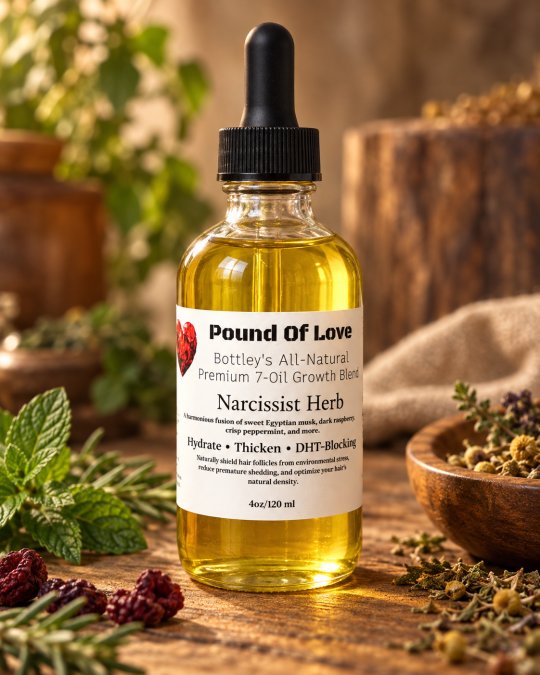
Apply Botanical Oils to Your Scalp
Botanical oils penetrate deep into your scalp and hair. They provide intense moisture without the heavy residue of synthetic products.
The best oils for dry scalp include:
- Jojoba oil (mirrors your skin's natural sebum)
- Coconut oil (deeply nourishing and protective)
- Rosemary oil (stimulates circulation)
- Peppermint oil (cooling and refreshing)
Apply oil directly to your scalp, not just your hair ends. Use your fingertips to massage it in small circular motions. This increases blood flow and helps the oil absorb. Leave it on for at least 15 minutes, or overnight for deeper treatment.
Many people worry that oil makes hair greasy. The opposite is true. When you nourish your scalp properly, it stops overproducing oil to compensate for dryness.
Use Coconut Oil for Deep Scalp Nourishment
Coconut oil is one of nature's most effective moisturizers for dry scalp. It contains fatty acids that penetrate the hair shaft and seal in moisture.
Warm coconut oil slightly before applying it. Warm oil absorbs faster than cold oil. Apply it generously to your scalp, working it through your hair. Cover your hair with a shower cap and leave it for 20-30 minutes.
For intensive treatment, apply coconut oil before bed and sleep with it on. Wash it out the next morning with a gentle, sulfate-free shampoo. Do this once or twice weekly for best results.
Coconut oil also has natural antimicrobial properties. This makes it useful if your dry scalp has minor irritation or sensitivity.
Pound Of Love Bottley's All Natural Root Revival Hair & Scalp Oil 2oz →
Massage Your Scalp Regularly
Scalp massage increases blood flow to hair follicles. Better circulation means more nutrients reach your scalp, supporting natural healing.
Massage your scalp for 5-10 minutes daily. Use your fingertips, not your nails. Apply gentle pressure in slow, circular motions. Start at your hairline and work toward the back of your head.
You can massage your scalp anytime: while shampooing, before bed, or during a quiet moment. The ritual itself is calming. Many people find it reduces stress, which also helps scalp health.
Stay Hydrated From Within
Dry scalp often reflects dehydration in your body. Drinking enough water supports skin and scalp moisture from the inside out.
Aim for at least eight glasses of water daily. More if you exercise or live in a dry climate. Herbal teas count toward hydration too.
Proper hydration also supports your body's natural oil production. When you're dehydrated, your sebum glands produce less protective oil. Drinking water helps restore balance.
How Often to Wash Hair With Dry Scalp
Washing too often strips natural oils and worsens dryness. Most people with dry scalp benefit from washing 2-3 times weekly instead of daily.
When you do wash, use lukewarm water, not hot. Hot water opens the scalp's outer layer and allows moisture to escape. Lukewarm water cleanses gently without disrupting your scalp's natural barrier.
Choose a sulfate-free, gentle shampoo. Sulfates create lather by stripping oils. They're harsh on dry, sensitive scalp. Natural shampoos clean effectively without the damage.
On days you don't wash, dry shampoo can refresh your hair. Or simply rinse with water and apply a hydrating mist.
If you have locs, washing frequency depends on your routine. Many loc wearers wash every 1-2 weeks. Between washes, use a hydrating mist like Pound Of Love Aloe Loc Hydration Mist to keep your scalp and locs moisturized without buildup.

Natural Ingredients That Soothe and Restore
Several plant-based ingredients excel at treating dry scalp. Understanding what each does helps you choose the right products.
Aloe vera soothes irritation and reduces inflammation. It's lightweight and won't clog follicles.
Rosemary stimulates scalp circulation. It also has antimicrobial properties that protect against minor irritation.
Peppermint cools and refreshes. It increases blood flow to your scalp, supporting natural healing.
Saw palmetto supports scalp health and is often used in hair growth formulas.

Pumpkin seed oil is rich in zinc and antioxidants. These nutrients nourish your scalp and support hair strength.
Products like Pound Of Love Bottley's Root Revival Hair & Scalp Oil combine these ingredients intentionally. Each botanical serves a purpose: moisture, circulation, protection, and nourishment.
Pound Of Love Bottley's All Natural Root Revival Hair & Scalp Oil 2oz →
For a comprehensive blend, 19 Herb Botanical Hair Growth Oil brings together 19 herbs and 7 carrier oils. This formulation addresses dry scalp while also supporting hair strength and growth.
What to Avoid When Your Scalp Is Dry
Certain habits and products make dry scalp worse. Avoiding them is as important as treating it actively.
Skip sulfate shampoos. They strip your scalp's natural oils. Read ingredient labels and choose sulfate-free options.
Avoid frequent heat styling. Blow dryers, flat irons, and curling tools dry out your scalp and hair. Let your hair air-dry when possible. If you use heat, apply a protective oil first.
Don't wash with hot water. Stick to lukewarm or cool water. Hot water damages your scalp's protective barrier.
Limit chemical treatments. Dyes, relaxers, and perms are harsh on dry scalp. If you use them, space treatments far apart and deep condition between applications.
Reduce stress when possible. Stress hormones can disrupt sebum production. Meditation, exercise, and rest support scalp health.
Avoid tight hairstyles. Pulling your hair tight stresses your scalp and follicles. Loose styles are gentler.
When to See a Professional
Most dry scalp improves with natural home treatment within 3-4 weeks. But some cases need professional care.
See a dermatologist if:
- Your scalp itches intensely and doesn't improve with treatment
- You have large patches of redness or swelling
- Your scalp shows signs of infection (oozing, crusting, or warmth)
- Flaking is severe and spreads to your face or ears
- Your condition worsens despite consistent treatment
A dermatologist can rule out conditions like seborrheic dermatitis, psoriasis, or fungal infections. These require different approaches than simple dryness.
If you're unsure whether your condition is dry scalp or something else, professional evaluation gives you clarity. Getting the diagnosis right means getting effective treatment faster.
Treating dry scalp naturally works best when you commit to consistent care. The botanical oils and gentle practices we've covered address the root cause: your scalp's need for moisture and nourishment. Start with one or two approaches, perhaps a weekly oil treatment and a sulfate-free shampoo, and build from there. Our handcrafted formulas at Pound Of Love Naturals are designed to support your scalp's natural biology with pure botanical ingredients like rosemary, peppermint, and pumpkin seed oil. Shop Pound Of Love Naturals now and discover how real plant-based care transforms your scalp health.
Frequently Asked Questions
What natural oils work best for treating a dry scalp?
Pumpkin seed oil, jojoba oil, rosemary oil, and black castor oil are among the most effective natural options for dry scalp. These oils mirror your scalp's natural sebum or provide deep moisture without clogging follicles. Jojoba oil is particularly gentle because it closely matches your skin's natural oils, while rosemary oil supports scalp circulation. Apply a few drops directly to your scalp, massage in circular motions, and use 2-3 times per week for best results.
How long does it take to see improvement when treating dry scalp naturally?
Most people notice initial improvement within 2-4 weeks of consistent natural treatment, though significant changes may take 6-8 weeks. Results depend on how dry your scalp is, your hair type, and how regularly you apply treatments. Consistency matters more than quick fixes, using botanical oils and adjusting your wash frequency weekly will yield better long-term results than sporadic treatments.
Is coconut oil good for a dry scalp?
Coconut oil can help with dry scalp, especially for deep conditioning. While coconut oil provides excellent moisture, it can be heavy for some scalps and may clog pores if overused. For dry scalp treatment, use coconut oil 1-2 times per week as a deeper conditioning treatment rather than a daily application.
How do I know if I have dry scalp or dandruff?
Dry scalp produces small, white flakes that feel tight and itchy, often worsening in winter or after hot showers. Dandruff typically involves larger, oily flakes with a distinct smell and is caused by fungal overgrowth. Dry scalp improves with moisture and hydration, while dandruff requires antifungal treatment. If flaking persists after two weeks of natural oil treatments and increased hydration, consult a dermatologist to rule out a fungal condition.