
Primally Pure Alternative for Sensitive Skin
Table of Contents
- Why Sensitive Skin Needs a Different Approach
- Key Ingredients for Barrier Support in Natural Skincare
- Handcrafted Botanical Soaps: A Primally Pure Alternative for Sensitive Skin
- How to Make Tallow Balm at Home for Sensitive Skin
- Best Natural Deodorant for Sensitive Skin
- What to Look for When Switching Skincare Brands
- Conclusion
- Frequently Asked Questions
Last Updated: September 25, 2026
Why Sensitive Skin Needs a Different Approach
Sensitive skin demands a different strategy. Standard products often trigger inflammation and redness when your barrier is compromised. A Primally Pure alternative for sensitive skin must prioritize barrier support, avoid synthetic irritants, and work with your skin's natural biology.
The difference between generic soap and sensitivity-focused formulas comes down to ingredient selection and pH balance. Most commercial skincare strips natural oils, leaving your barrier vulnerable. The right alternative rebuilds what's been lost.
Sensitive skin signals barrier dysfunction. Your skin barrier is a lipid layer protecting against dehydration and external stressors. When weakened, water escapes and irritants penetrate easily. Products with botanical oils, plant-based butters, and soothing botanicals restore this protective layer.
Key Ingredients for Barrier Support in Natural Skincare
Understanding which ingredients support barrier repair is essential. Not all "natural" products deliver real results; many rely on marketing language rather than proven compounds.
Cold-pressed carrier oils form the backbone of barrier-supporting skincare. Olive oil, coconut oil, and high oleic sunflower oil provide fatty acids matching your skin's natural lipid profile. Grass-fed tallow contains fat-soluble vitamins (A, D, E, K) your skin recognizes and absorbs immediately.
Colloidal oats form a protective barrier that locks moisture in and prevents irritation through both physical protection and biochemical soothing.
Honey draws moisture from the air and seals it into your skin while supporting natural healing. Goat's milk contains natural alpha-hydroxy acids that gently exfoliate while maintaining hydration.

Aloe vera cools and hydrates while reducing redness. Avocado adds healthy fatty acids and vitamins that soften rough patches without triggering sensitivity.
Kaolin clay draws out impurities without stripping natural oils or disrupting pH balance. Tussah silk adds luxurious texture and lather without synthetic surfactants.
Handcrafted Botanical Soaps: A Primally Pure Alternative for Sensitive Skin
Handcrafted botanical soaps are highly effective alternatives. Mass-produced soaps use harsh detergents and synthetic fragrances that strip the barrier. Cold-process artisan soaps preserve botanical integrity and allow precise formulation.
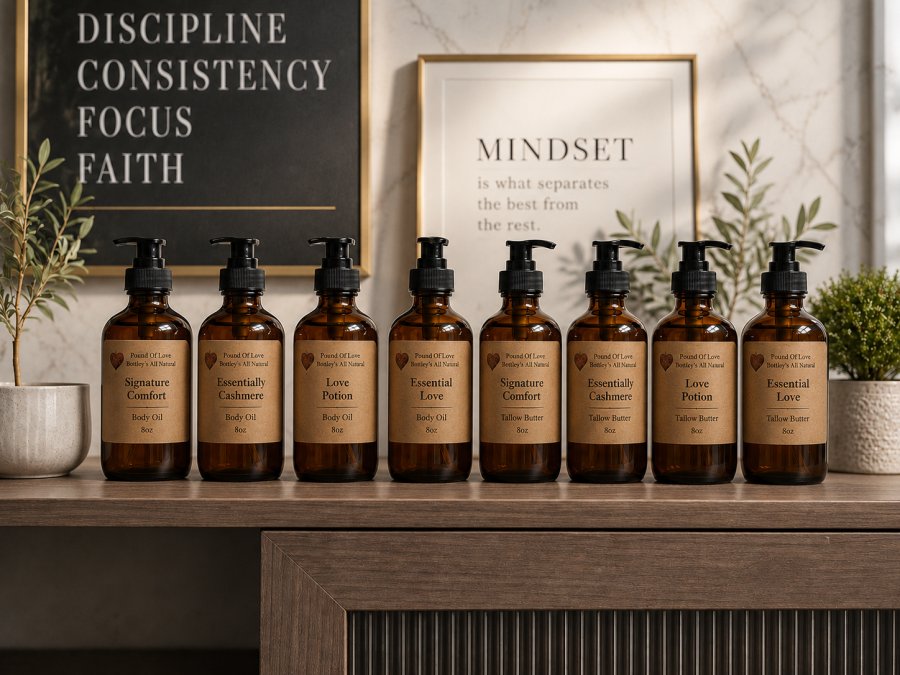
Cold-process soaps retain glycerin naturally produced during saponification, creating deeply moisturizing bars. Commercial soaps strip this glycerin to sell separately, leaving harsher products.
Oats, Goat's Milk & Honey Soap
The Oats Goat's Milk & Honey Soap from Pound Of Love Naturals represents the #1 choice for sensitive skin seeking a Primally Pure alternative. This bar combines three of nature's most celebrated skin healers in a single formula.
Goat's milk provides natural alpha-hydroxy acids that gently dissolve dead skin cells while hydrating deeply. Colloidal oatmeal forms a protective barrier that locks moisture in and relieves redness. Pure honey draws moisture from the air and seals it into your skin.
Pound Of Love Bottley's All Natural →
The handcrafted formula uses saponified olive oil, coconut oil, cocoa butter, palm oil, high oleic sunflower oil, and castor oil with no cheap fillers or harsh detergents.
Pros:
- Proven effective for dry, sensitive, and easily irritated skin
- Creates signature lotion-like lather
- Free from synthetic fragrances, parabens, sulfates, and harsh chemicals
Cons:
- Requires proper storage on a draining soap dish
- Handcrafted production means longer shipping times
Triple Aloe Avocado Tallow Soap
The Triple Aloe Avocado Tallow Soap delivers barrier support through a triple-infusion approach. Grass-fed tallow matches your skin's natural lipid profile. Fresh avocado puree and three forms of aloe vera flood your skin with moisture and support repair. Tussah silk, kaolin clay, and colloidal oats create a rich lather that cleanses without disrupting your moisture barrier.

Pros:
- Triple aloe infusion provides maximum hydration and repair support
- Grass-fed tallow is bio-compatible with your skin's natural chemistry
- Kaolin clay gently detoxifies without over-drying
- Silky texture feels luxurious and non-stripping
Cons:
- Requires careful storage to prevent premature softening
- Handcrafted production adds to cost compared to commercial alternatives
Tallow Coconut Calamine Soap
The Tallow Coconut Calamine Soap specializes in cooling and calming active irritation. This bar unites grass-fed tallow with vitamin-rich coconut milk, creating a creamy lather that deeply nourishes. Calamine and kaolin clays calm redness and cool irritation while drawing out impurities without stripping your barrier.

This soap ($10.00) includes an invigorating essential oil blend of lemon, lavender, eucalyptus, and ylang-ylang. The botanical aroma offers a spa-like reset while the formula works to restore your skin barrier.
Pros:
- Calamine clay specifically targets active redness and itchiness
- Essential oil blend provides soothing aromatherapy
- Coconut milk creates an ultra-creamy, moisturizing lather
- Colloidal oats provide protective barrier support
Cons:
- Essential oil blend may be too aromatic for those with fragrance sensitivity
- Handcrafted production means limited availability during high-demand periods
How to Make Tallow Balm at Home for Sensitive Skin
Creating your own tallow balm at home gives you complete control over ingredients and allows you to customize formulation for your specific skin needs. This supporting keyword approach complements commercial products and extends your skincare routine's effectiveness.
Tallow balm provides a concentrated dose of barrier-supporting fats. Grass-fed tallow contains fat-soluble vitamins your skin recognizes and absorbs immediately. When you make your own, you avoid preservatives, synthetic fragrances, and additives that might trigger sensitivity.
Basic Tallow Balm Recipe:
Pound Of Love Bottley's All Natural →
Start with high-quality grass-fed tallow as your base (typically 80% of the formula). Slowly melt it gently over low heat, never boil. Add botanical oils like olive oil or sweet almond oil (about 15% of the mixture) for additional nourishment. Include a small amount of beeswax (about 5%) to create a firmer consistency that won't melt in warm temperatures.
For sensitive skin, add soothing botanicals: a few drops of calendula-infused oil, a small amount of colloidal oats ground into powder, or dried chamomile flowers steeped in the oils. Avoid essential oils if your skin is highly reactive; instead, rely on the inherent properties of the botanical ingredients themselves.
Pour the mixture into small glass jars and allow it to cool completely before sealing. Store in a cool, dark place.
Apply a small amount to damp skin after cleansing. The moisture locks in the hydration while the tallow creates a protective barrier. Many people find that using a tallow balm as the final step in their routine produces the most dramatic barrier repair results.
Best Natural Deodorant for Sensitive Skin
Natural deodorant for sensitive skin requires a different formulation approach than conventional antiperspirants. This supporting keyword addresses a common pain point: finding a deodorant that doesn't irritate while actually managing odor.
Sensitive skin around the underarm area needs deodorants free from aluminum, synthetic fragrances, and harsh preservatives.
What to Look for When Switching Skincare Brands
Switching from a conventional brand like Primally Pure to a Primally Pure alternative for sensitive skin requires intentional evaluation. The wrong transition can trigger a flare-up, so understanding what to assess before making the switch matters.
Conclusion
Switching to a Primally Pure alternative for sensitive skin doesn't require sacrificing effectiveness for gentleness. The handcrafted botanical soaps from Pound Of Love Naturals deliver the barrier support your skin needs through cold-process formulation and carefully selected ingredients like grass-fed tallow, colloidal oats, and soothing botanicals. Start with the Oats Goat's Milk & Honey Soap if you're new to artisan skincare, or explore the Triple Aloe or Calamine options if your skin needs targeted soothing.
| Product | Price | Best For | Key Feature |
|---|---|---|---|
| Oats Goat's Milk & Honey | $10.00 | Dry, sensitive skin | Triple soothing formula |
| Triple Aloe Avocado Tallow | $10.00 | Barrier repair | Grass-fed tallow + triple aloe |
| Tallow Coconut Calamine | $10.00 | Active irritation | Calming clay blend |
| Mature Skin Barrier Soap | $8.00 | Aging sensitive skin | Evening primrose oil support |
| Rest Revive & Relaxation | $8.00 | Stress-related sensitivity | Lavender + eucalyptus blend |
Frequently Asked Questions
What makes a skincare alternative for sensitive skin actually work?
Effective alternatives for sensitive skin prioritize barrier support through cold-pressed carrier oils, colloidal oats, and natural anti-inflammatory botanicals. They avoid synthetic fragrances, sulfates, and harsh exfoliants that strip the skin. Handcrafted formulations using grass-fed tallow, aloe vera, and plant-based ingredients work with your skin's natural lipid profile rather than against it, reducing redness and irritation.
How do I know if a natural skincare brand is avoiding greenwashing?
Look for brands that list complete ingredient transparency, specify sourcing practices, and use minimal ingredients with clear purposes. Avoid vague claims like 'natural' without specifics. Handcrafted small-batch brands often provide detailed ingredient information and explain why each component matters. Read customer reviews from people with similar skin concerns.
Can I use the same natural skincare routine for eczema and rosacea?
Both conditions benefit from barrier-support ingredients like colloidal oats, kaolin clay, and soothing botanicals, but eczema-prone skin often needs extra moisture and redness-prone skin may benefit from calming essential oils like lavender and chamomile. Patch testing any new product on a small area first is essential. Products formulated for sensitive skin with minimal ingredients work well for both, though you may need to adjust based on your specific triggers.
What's the difference between natural deodorant and natural antiperspirant for sensitive skin?
Natural deodorants neutralize odor through botanical extracts and essential oils without blocking sweat, while antiperspirants reduce moisture. For sensitive skin, natural deodorants are often gentler because they don't contain aluminum or synthetic compounds that can irritate. The best natural deodorant for sensitive skin uses non-comedogenic ingredients like plant-based powders and soothing botanicals, avoiding baking soda if it causes irritation.