
Repair Damaged Skin Barrier Naturally: A Step-by-Step Guide
Table of Contents
- What Is the Skin Barrier and Why It Matters
- Signs of Damaged Skin Barrier You Should Know
- Common Causes of Skin Barrier Damage
-
Step-by-Step Protocol to Repair Your Skin Barrier Naturally
- The 7-Day Barrier Reset: What to Stop Doing
- Step 1: Cleanse Gently Without Stripping (Days 1-7 and Beyond)
- Step 2: Restore Ceramides and Lipids (Days 1-7 and Beyond)
- Step 3: Lock In Moisture with Occlusives (Days 1-7 and Beyond)
- Step 4: Support Skin pH Balance (Days 1-7 and Beyond)
- Days 8 Onward: The Rebuild Phase
- Recovery Timeline
- How to Soothe Eczema Naturally While Repairing Your Barrier
- Skin Barrier Repair Timeline: What to Expect
- Ingredients to Avoid When Your Barrier Is Compromised
- How Diet and Lifestyle Support Barrier Recovery
- Frequently Asked Questions
Last Updated: October 2, 2026
What Is the Skin Barrier and Why It Matters
Your skin barrier is the outermost layer of your skin, called the stratum corneum. It's made up of dead skin cells held together by lipids, fats that act like the glue binding everything in place. Think of it like a brick wall. The skin cells are the bricks, and the lipids (ceramides, cholesterol, and fatty acids) are the mortar.

This barrier does critical work. It locks moisture in and keeps irritants out. When it's healthy, your skin feels soft and looks radiant. When it's damaged, everything changes. Water escapes through transepidermal water loss, leaving skin dry and flaky. Irritants slip in, triggering redness and sensitivity.
Many people don't realize their skincare routine is actually damaging their barrier through harsh cleansers, over-exfoliation, or stripping ingredients. The good news: you can repair damaged skin barrier naturally with patience and the right approach.
Signs of Damaged Skin Barrier You Should Know
A compromised skin barrier sends clear signals. Recognizing these signs is the first step toward repair.
Common signs include:
- Persistent dryness and tightness, even after moisturizing
- Increased sensitivity to products you've used before
- Redness and inflammation that won't fade
- Itching, burning, or stinging sensations
- Rough or flaky patches
- Breakouts or small bumps
- A shiny or greasy appearance (your skin overcompensating by producing excess oil)
The tricky part: these symptoms overlap with other skin conditions. But if they started after you changed your routine, used a new product, or over-exfoliated, barrier damage is likely the culprit.
Common Causes of Skin Barrier Damage
Understanding what damaged your barrier helps you avoid repeating the mistake.
Skincare-Related Causes
Over-exfoliation is the most common culprit. Exfoliating multiple times per week with scrubs, acids, or chemical exfoliants strips away the protective lipid layer faster than your skin can rebuild it.
Harsh cleansers strip away natural oils. Sulfates and foaming agents remove too much, leaving your barrier vulnerable. Many conventional cleansers are alkaline (pH above 7), while your skin's natural pH is 4.5-5.5 (acidic), disrupting barrier chemistry.
Hot water damages the lipid barrier by opening pores and increasing transepidermal water loss, especially when combined with harsh cleansers.
Certain ingredients are barrier-damaging when your skin is already compromised. Retinoids, vitamin C, benzoyl peroxide, and strong acids accelerate barrier breakdown if used without caution.
Overwashing removes the natural microbiome and lipids that protect your skin. Even water alone, used too frequently, can disrupt barrier function.
Environmental Triggers (Often Overlooked)
Low humidity is one of the most underestimated barrier stressors. Indoor heating and air conditioning drop humidity below 30%, pulling moisture from your skin faster than your barrier can retain it. Using a humidifier to maintain 40-60% humidity can significantly slow barrier breakdown.
Hard water contains dissolved minerals that interfere with your skin's pH and trap bacteria. A shower filter or chelating rinse can help protect your barrier.
Cold, dry air and wind physically strip moisture from your skin's surface and disrupt the lipid layer.
Pollution and environmental irritants penetrate a weakened barrier more easily and trigger inflammation.
UV exposure damages the proteins and lipids in your stratum corneum, weakening its structure over time. Sun damage is cumulative and accelerates barrier aging.
Lifestyle and Internal Factors
Chronic stress elevates cortisol, increasing skin inflammation and impairing barrier repair while reducing blood flow to the skin.
Pound Of Love Bottley's All Natural Mature Skin Barrier Soap 5oz →
Poor sleep disrupts the circadian rhythm that regulates skin repair. Your skin repairs itself most actively during sleep; insufficient sleep slows barrier recovery.
Dehydration reduces the water content available for your barrier to retain. If you're not drinking enough water, your skin can't maintain adequate hydration even with occlusive products.
Nutritional deficiencies in omega-3 fatty acids, vitamin E, zinc, and vitamin C directly impair your skin's ability to rebuild lipids and collagen.
Alcohol and smoking both dehydrate skin and increase inflammation. Alcohol is a diuretic that pulls water from your body; smoking damages collagen and reduces blood flow to the skin.
Step-by-Step Protocol to Repair Your Skin Barrier Naturally
To repair damaged skin barrier naturally follows a simple logic: stop doing harm, then actively restore what's missing. This process typically takes 2-4 weeks, though severely damaged barriers may need longer.
The most effective approach is a 7-day barrier reset (often called "skin fasting") followed by a gradual rebuild phase. This protocol explicitly tells you what to eliminate before adding anything back.
The 7-Day Barrier Reset: What to Stop Doing
Before you add any products, you must remove the irritants actively damaging your barrier. This reset phase is non-negotiable and often produces visible improvement within 3-5 days.
Days 1-7: Elimination Phase
Stop all exfoliants immediately. This includes physical scrubs, chemical exfoliants (AHAs, BHAs, salicylic acid), enzyme exfoliants, and even gentle washcloths. Your barrier cannot heal while being actively stripped. Do not resume exfoliation until your barrier is fully repaired (minimum 4 weeks).
Stop all active ingredients. Retinoids, vitamin C serums, benzoyl peroxide, and treatment products are irritating when your barrier is compromised.
Stop all fragrance and essential oils. Even natural fragrances can trigger sensitivity in a damaged barrier. Use unscented products only.
Stop multiple cleansing steps. Simplify to one gentle cleanser. Toners, astringents, and micellar water are unnecessary and often irritating.
Stop hot water. Switch to lukewarm water only. Hot water increases transepidermal water loss and opens pores, making your barrier more permeable to irritants.
Stop over-moisturizing with multiple products. Simplify to: cleanser → one moisturizer → one occlusive at night.
What You're Left With (The Minimal Routine)
During the 7-day reset, your routine should be:
Morning:
- Rinse with lukewarm water only (no cleanser)
- Apply a ceramide-rich moisturizer to damp skin
- Optional: mineral sunscreen if you'll be outdoors (see Step 4 below)
Evening:

- Gentle cleanser (see Step 1 below) with lukewarm water
- Pat skin dry gently
- Apply ceramide-rich moisturizer to damp skin
- Apply an occlusive (see Step 3 below)
That's it. Nothing else. This simplicity is the point. Your barrier needs time to stabilize without additional stressors.
Step 1: Cleanse Gently Without Stripping (Days 1-7 and Beyond)
Your cleanser is either helping or harming your barrier repair.
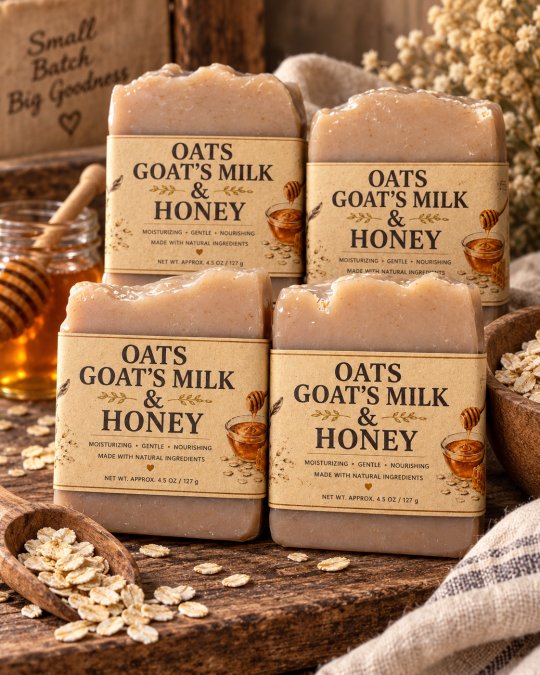
Switch to a gentle, lipid-rich cleanser. Look for formulas with oils, butters, or ceramides. Avoid anything with sulfates, fragrance, or foaming agents. A good barrier-repair cleanser should feel creamy, not squeaky. If your skin feels tight after cleansing, your cleanser is too harsh.
Pound Of Love Bottley's All Natural Mature Skin Barrier Soap 5oz →
Cleanse once daily, preferably at night. In the morning, rinse with lukewarm water only. Skip the cleanser if your skin feels tight.
Use lukewarm water, never hot. Lukewarm water rinses away daily buildup without damaging your barrier.
Pat skin dry gently. Don't rub. Rubbing creates friction that irritates compromised skin.
Step 2: Restore Ceramides and Lipids (Days 1-7 and Beyond)
Your barrier needs the lipids it's lost. Ceramides, cholesterol, and fatty acids are the building blocks of barrier repair.
Step 3: Lock In Moisture with Occlusives (Days 1-7 and Beyond)
An occlusive is a product that seals moisture into your skin. It creates a protective layer that prevents water from escaping.
Step 4: Support Skin pH Balance (Days 1-7 and Beyond)
Your skin has a natural pH around 4.5-5.5 (slightly acidic). This acidity protects your microbiome and supports barrier function.
Days 8 Onward: The Rebuild Phase
After your 7-day reset, your barrier should feel noticeably less reactive. Tightness, stinging, and redness typically decrease significantly. This is when you can slowly reintroduce supportive products, but only one new product every 3-5 days, and only products that support barrier repair (not actives).
Reintroduction order:
- A gentle hydrating toner (optional)
- A targeted barrier-support serum (if desired)
- Sunscreen (essential for long-term barrier protection)
- Any other gentle, non-irritating products
Recovery Timeline
Days 1-3: Immediate relief as you stop irritating your barrier. Stinging and tightness decrease.
How to Soothe Eczema Naturally While Repairing Your Barrier
Eczema and barrier damage often go hand in hand. Inflamed, irritated skin needs extra care.
Skin Barrier Repair Timeline: What to Expect
Understanding the repair timeline helps you stay patient and consistent.
Ingredients to Avoid When Your Barrier Is Compromised
While your barrier heals, certain ingredients will slow recovery or cause setbacks.
How Diet and Lifestyle Support Barrier Recovery
Your skin barrier repairs from the inside out. What you eat and how you live directly impact healing speed.
American Academy of Dermatology on skin barrier function
National Eczema Association guide to skin barrier care
Mayo Clinic information on sensitive skin and barrier health
Frequently Asked Questions
What are the fastest ways to repair a damaged skin barrier naturally?
The fastest approach combines three steps: stop using harsh products immediately, switch to a gentle cleanser, and apply natural moisturizers with ceramides and fatty acids daily. Most people notice improvement in 2-4 weeks with consistent care. Focus on products with ingredients like tallow, shea butter, and plant oils that closely match your skin's natural lipid composition. Avoid exfoliants, retinoids, and actives until your barrier recovers.
How long does it take to repair a damaged skin barrier?
Visible improvement typically appears within 2-4 weeks of consistent care. Complete barrier recovery usually takes 4-8 weeks, depending on damage severity and your skin type. The stratum corneum, your skin's outermost protective layer, regenerates naturally every 2-4 weeks. For deeper damage or eczema-prone skin, full recovery may take 8-12 weeks. Patience and consistency matter more than speed.
How can I soothe eczema naturally while repairing my skin barrier?
Start with a fragrance-free, gentle cleanser and follow immediately with a thick moisturizer containing soothing botanicals like calendula and colloidal oats. Apply moisturizer to damp skin to trap water in the stratum corneum. Avoid hot water, which increases transepidermal water loss. Natural oils like jojoba and tallow work well because they mimic your skin's own lipid barrier. If inflammation is severe, consider a product with turmeric or sea buckthorn oil for their anti-inflammatory properties.
What natural ingredients repair the skin barrier most effectively?
Ceramides, fatty acids, and cholesterol are the three core lipids your barrier needs. Look for natural sources: shea butter and tallow provide ceramides and fatty acids, while plant oils like jojoba, squalane, and sea buckthorn support lipid restoration. Humectants like hyaluronic acid draw moisture into skin, while occlusives seal it in. Soothing botanicals such as calendula, colloidal oats, and turmeric reduce inflammation. Pound Of Love Naturals offers formulations with tallow, calendula, and turmeric.