
Why Small Batch Skincare Matters: The Real Difference
Table of Contents
- Why Small Batch Skincare Matters: Ingredient Integrity and Freshness
- Small Batch vs Mass Production Skincare: How Scale Changes Everything
- The Science Behind Potency: Why Smaller Batches Preserve Botanical Power
- Non-Toxic Skincare Ingredients: What Actually Belongs on Your Skin
- Sustainability and Environmental Impact of Handcrafted Formulations
- How to Make Tallow Balm at Home: Crafting Your Own Small Batch Skincare
- Identifying Authentic Small Batch Skincare: What to Look For
- Frequently Asked Questions
Last Updated: September 20, 2026
Why Small Batch Skincare Matters: Ingredient Integrity and Freshness
When you buy mass-produced skincare, you're often purchasing a product that was formulated months ago, shipped across the country, and sat on a shelf before reaching your bathroom. Small batch skincare works differently. At Pound Of Love Naturals, we prioritize ingredient integrity and freshness because what you apply to your skin directly affects how your body responds. The difference between a small batch formulation and a mass-produced alternative comes down to potency, preservation, and purpose.
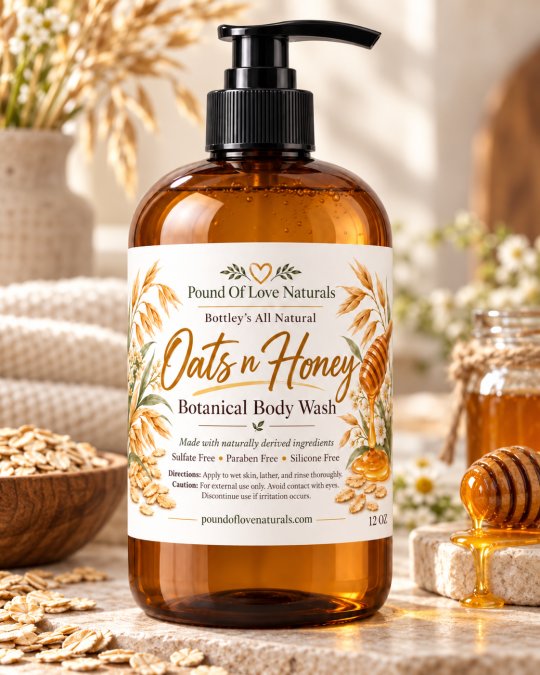
Small batch skincare maintains higher ingredient potency because botanical oils, butters, and plant extracts begin to degrade the moment they're processed. A smaller production run means your product spends less time in storage before reaching you. This translates to more active compounds, vitamins, antioxidants, and healing botanicals, actually making it into your skin rather than oxidizing away in a warehouse.
Freshness isn't just a marketing buzzword. It's measurable. When formulations are created in smaller quantities, manufacturers can use fewer synthetic preservatives because the product moves faster. This matters especially for people with sensitive skin who react to common stabilizers and chemical additives.
Small Batch vs Mass Production Skincare: How Scale Changes Everything
Mass production demands compromise. To make thousands of units shelf-stable for 12-18 months, manufacturers add preservatives, thickeners, and stabilizers that keep ingredients from separating or spoiling. These additives serve a purpose in industrial supply chains, but they often irritate sensitive skin and reduce the bioavailability of active ingredients.
Small batch formulations skip this arms race. Because production volumes stay low and turnover is fast, artisanal makers can use minimal preservatives, sometimes none at all for oil-based products. The botanical ingredients remain closer to their natural state, which means your skin recognizes and absorbs them more effectively.
Consider what happens during manufacturing. Mass production relies on high-temperature processing to speed up saponification and ensure consistency across thousands of bars. Small batch makers work at lower temperatures, which preserves the delicate structures of plant compounds. Tallow, for instance, contains fat-soluble vitamins (A, D, E, K) that break down under excessive heat. Handcrafted soaps like our Triple Aloe Avocado Tallow Soap maintain these nutrients because we control the temperature throughout the process.

The supply chain also matters. Mass-produced skincare travels through multiple distribution centers, each adding time and temperature exposure. Small batch products often go directly from maker to customer, cutting out intermediaries that degrade quality.
| Aspect | Mass Production | Small Batch |
|---|---|---|
| Shelf Life | 12-18 months | 6-12 months |
| Synthetic Preservatives | Multiple | Minimal or none |
| Production Temperature | High (faster) | Low (preserves nutrients) |
| Ingredient Freshness | Degrades over time | Fresher at purchase |
| Supply Chain Steps | 4-6 intermediaries | 1-2 steps |
The Science Behind Potency: Why Smaller Batches Preserve Botanical Power
Botanical ingredients are living chemistry. Oils oxidize. Plant extracts lose efficacy. Herbs lose their volatile compounds. The moment a botanical is harvested and processed, degradation begins. The question isn't whether potency declines, it's how much and how quickly.
Small batch production slows this decline because fewer variables affect the formulation. When you're making 50 bars of soap instead of 50,000, you can track every single batch, adjust for seasonal variations in ingredients, and ensure consistency without relying on chemical stabilizers.
Bioavailability, how well your skin actually absorbs and uses the ingredients, depends on freshness and formulation. A six-month-old mass-produced moisturizer has lost some of its active compounds. A small batch product made two weeks ago and shipped directly to you retains nearly all its potency. This difference becomes obvious when comparing results over four to six weeks of use.
According to research on botanical ingredient stability, plant-based actives like flavonoids and polyphenols degrade 15-30% within the first three months of storage, even under ideal conditions. Small batch makers minimize this loss by reducing time between production and use.
The formulation itself protects potency. Mass producers use synthetic antioxidants and chelating agents to extend shelf life artificially. Small batch makers rely on natural preservation methods: proper pH balance, minimal water content in oil-based products, and faster turnover. These approaches maintain the integrity of botanical compounds without chemical intervention.
Non-Toxic Skincare Ingredients: What Actually Belongs on Your Skin
Your skin is porous. Whatever you apply absorbs into your body. This is why ingredient transparency matters more for skincare than almost any other consumer product.
Non-toxic skincare starts with understanding what doesn't belong. Synthetic preservatives like parabens, phenoxyethanol, and methylisothiazolinone disrupt hormonal signaling and trigger inflammation in sensitive skin. Synthetic fragrances hide multiple undisclosed chemicals under a single label. Silicones create a barrier that traps moisture but prevents your skin from breathing and detoxifying naturally.
Small batch makers avoid these because they're not trying to engineer stability for a two-year shelf life. Instead, they focus on ingredients that work with your skin's natural biology.
Grass-fed tallow, for example, matches your skin's lipid profile more closely than plant oils alone. It contains the same fatty acid ratios your skin naturally produces, which means your body recognizes it as compatible. This is why our Triple Aloe Avocado Tallow Soap and Bottley's All-Natural Facial Moisturizer work for even the most reactive skin types.

Colloidal oatmeal, kaolin clay, and honey are time-tested remedies that appear in traditional skincare across cultures because they work. They don't need synthetic enhancement. Botanical oils like coconut, olive, and sweet almond provide vitamins and antioxidants without chemical modification.
The FDA's guidance on cosmetic ingredient safety emphasizes that manufacturers bear responsibility for safety, but the burden of proof falls on consumers to read labels. Non-toxic skincare brands make this easy by listing every ingredient and explaining why it's there. If you can't pronounce an ingredient or don't know what it does, it probably doesn't belong on your skin.
Sustainability and Environmental Impact of Handcrafted Formulations
Small batch skincare reduces environmental impact at every stage. Mass production demands monoculture farming, synthetic pesticides, and energy-intensive processing to meet volume demands. Handcrafted skincare prioritizes sustainable sourcing, minimal waste, and reduced carbon footprint.
Oats Goat's Milk & Honey Soap →
Consider packaging. Mass producers ship in bulk, requiring heavy plastic containers and extensive protective materials. Small batch makers often use minimal packaging, glass jars, paper labels, no excess plastic. Some eliminate packaging entirely for bar soaps, which reduces waste dramatically.
Ingredient sourcing differs too. Sustainable small batch makers build relationships with suppliers who practice ethical harvesting. Grass-fed tallow comes from animals raised on pasture, not confined operations. Botanical ingredients are sourced from farms that avoid synthetic pesticides and prioritize soil health.
The manufacturing process itself has lower environmental impact. Small batch production uses less water, less energy, and generates less waste than industrial-scale operations. There's no need for the cooling systems, high-speed machinery, and chemical additives required by mass production.
Supply chain transparency becomes possible at small scale.
How to Make Tallow Balm at Home: Crafting Your Own Small Batch Skincare
Making tallow balm at home teaches you exactly why small batch skincare matters. You control every ingredient, the freshness is guaranteed, and the cost per use drops significantly.
What You'll Need:
- Grass-fed tallow (4 ounces)
- Coconut oil or olive oil (1 ounce)
- Beeswax pastilles (0.5 ounce, optional for firmer consistency)
- Essential oils or botanical extracts (10-15 drops)
- Glass jars for storage
- Double boiler or heat-safe bowl over simmering water
- Thermometer (optional but helpful)
Step 2: Measure Your Ingredients [Time: 2 minutes]
Step 5: Pour into Jars [Time: 5 minutes]
Identifying Authentic Small Batch Skincare: What to Look For
Not every brand claiming "small batch" actually is. Some use the term as marketing while operating at industrial scale. Here's how to identify authentic small batch skincare.
Check Production Dates
Verify Ingredient Transparency
Look for Handcrafted Indicators
Research the Supply Chain
Assess Shelf Life Claims
Check Batch Size Information
Frequently Asked Questions
What are the primary benefits of choosing small batch skincare over mass-produced brands?
Small batch skincare delivers fresher ingredients with higher potency because formulations are created in smaller quantities and used sooner. Artisanal brands maintain strict quality control over every step of production, ensuring ingredient integrity and consistency. You also avoid the synthetic preservatives and stabilizers mass manufacturers rely on to extend shelf life across warehouses and retail shelves. Most importantly, small batch producers prioritize transparency, you know exactly what's in your product and where ingredients come from, making it easier to identify formulations suited to sensitive or eczema-prone skin.
How does small batch production impact the freshness and potency of botanical ingredients?
Handcrafted small batches are formulated and shipped within days, not months. Botanical ingredients like plant oils, butters, and herbal infusions maintain their bioavailability and therapeutic properties when used fresh. Mass-produced skincare often sits in warehouses for extended periods, during which delicate botanical compounds degrade, requiring manufacturers to add synthetic stabilizers and preservatives to compensate. Small batch producers can skip these additives because their rapid turnover means ingredients retain their natural potency from formulation to application on your skin.
How can consumers identify authentic small batch skincare products?
Look for transparency in sourcing, ingredient lists, and production methods. Authentic small batch brands publish their supply chain, clearly label handcrafted or artisanal status, and offer specific batch information or creation dates. Check whether the brand uses preservative-free formulations or only natural preservatives, and verify that production happens in small quantities, not just marketed that way. Genuine small batch producers often have longer lead times (like 2-5 business days for handcrafted to order), which reflects actual small-scale manufacturing rather than mass production with clever branding.
Does small batch skincare contain fewer synthetic preservatives?
Yes. Small batch skincare typically eliminates or minimizes synthetic preservatives because rapid production and turnover eliminate the need for long shelf-life stability. Handcrafted formulations often use natural preservation methods like botanical extracts, vitamin E, or rosemary seed extract instead of parabens, phenoxyethanol, or other synthetic additives. This matters for sensitive and eczema-prone skin, where synthetic preservatives can trigger irritation or barrier disruption. However, verify ingredient lists, some brands still use natural preservatives, which are different from synthetic ones but should be disclosed transparently.