
Benefits of Botanical Butter for Skin & Hair
Table of Contents
- What Are Botanical Butters and Why They Matter for Your Skin
- Deep Hydration and Moisture Retention: Core Benefits of Botanical Butter
- Best Botanical Butters for Dry Skin and Sensitive Conditions
- Improving Skin Elasticity, Texture, and the Skin Barrier
- Anti-Inflammatory and Antioxidant Power
- How to Use Body Butter Effectively in Your Daily Routine
- Botanical Butters vs. Body Lotion: Understanding the Difference
- Botanical Butters for Hair Care and Scalp Health
- Frequently Asked Questions
Last Updated: September 21, 2026
What Are Botanical Butters and Why They Matter for Your Skin
Botanical butters are plant-derived, concentrated moisturizers extracted from seeds, nuts, and fruits that nourish skin and hair with natural emollients and antioxidants, delivering botanical butter benefits through their nutrient-rich formulations. Unlike water-based lotions with synthetic thickeners, botanical butters deliver dense, nutrient-rich formulations that work in harmony with your skin's natural biology. At Pound Of Love Naturals, we craft botanical butters from cold-pressed plant sources to provide the deep nourishment your skin actually needs.
Botanical butters contain high concentrations of fatty acids, phytonutrients, and antioxidants that penetrate the skin barrier rather than sitting on top. This is why people with dry, sensitive, or eczema-prone skin turn to them: they address the root cause of moisture loss instead of masking it temporarily.
Botanical butters reinforce your skin barrier, reduce inflammation, and allow your skin to regulate itself naturally. When you use harsh, stripping products, your skin overcompensates by producing excess oil. Botanical butters work with your skin's natural lipid profile instead of against it.
Deep Hydration and Moisture Retention: Core Benefits of Botanical Butter
Botanical butters lock moisture into the skin through occlusive action, creating a protective barrier that prevents transepidermal water loss (moisture evaporation) while drawing additional hydration into the deeper layers of the epidermis.
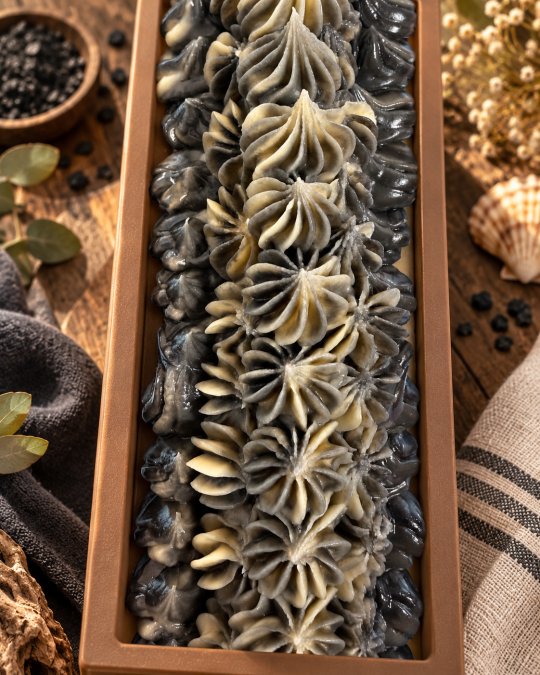
Shea butter, one of the most studied botanical butters, contains high levels of monounsaturated and saturated fats that restore the skin barrier's integrity.
A compromised skin barrier allows irritants to penetrate more easily, making sensitive skin reactive and uncomfortable. By restoring moisture and reinforcing the barrier, botanical butters create a more stable foundation, particularly valuable for people managing eczema or dermatitis, where barrier repair is central to symptom relief.
Best Botanical Butters for Dry Skin and Sensitive Conditions
Shea butter is the gold standard for dry skin because of its high oleic acid content and proven soothing properties. It has a comedogenic rating of 0-2, making it suitable for most facial applications, though those prone to congestion should patch-test first. Shea butter absorbs in 15-30 minutes, making it ideal for overnight use or body application where occlusion is the goal.

Sal butter deeply nourishes, making it excellent for sensitive or reactive skin. It combines barrier repair with anti-inflammatory action.
For extremely dry or eczema-prone skin, blending multiple butters often works better than a single ingredient. Shea and sal butter combine intense hydration with anti-inflammatory support.
Patch-test before committing to a new botanical butter. Apply a pea-sized amount to your inner arm or behind your ear and wait 24 hours, watching for redness, itching, swelling, or unusual sensation. If you have a tree nut allergy, avoid shea butter; opt instead for seed-based options like sal butter. This identifies which butters your skin tolerates best.
Bottley's All Natural Tallow-Shea →
Improving Skin Elasticity, Texture, and the Skin Barrier
Botanical butters improve skin elasticity by replenishing lipids that keep skin plump and resilient. The fatty acids in botanical butters restore lost moisture and support the skin's structural integrity.
Texture improvement happens quickly with consistent use. Rough patches, bumpy texture, and uneven tone improve when the skin barrier functions properly, since many texture issues stem from dehydration and inflammation rather than fundamental skin flaws.
A healthy skin barrier means fewer breakouts, less sensitivity, and better overall resilience. Botanical butters strengthen this barrier by providing the lipids and antioxidants your skin needs to maintain its protective function, reducing reactivity and creating a more stable complexion.
Anti-Inflammatory and Antioxidant Power
Many botanical butters contain powerful anti-inflammatory compounds that calm redness and irritation. Shea butter inhibits inflammatory pathways. Cocoa butter's polyphenol content neutralizes free radicals and reduces oxidative stress.
The antioxidant profile of botanical butters is equally important. Environmental stressors, sun exposure, pollution, and stress, generate free radicals that damage skin cells and accelerate aging. Botanical butters rich in tocopherols (vitamin E), vitamin A, and plant polyphenols protect against this damage. This protection doesn't replace sunscreen, but it provides meaningful support for skin health and longevity.
For people with inflammatory skin conditions, the combination of barrier repair and anti-inflammatory action creates real change. This is particularly valuable for those seeking natural alternatives.
How to Use Body Butter Effectively in Your Daily Routine
To maximize botanical butter benefits, apply botanical butter to damp skin immediately after bathing. Damp skin absorbs the butter more effectively and allows the occlusive properties to lock in moisture from your shower. Apply a small amount, roughly a nickel-sized portion for your face, a quarter-sized amount for arms or legs, and massage gently until fully absorbed. For scalp application, use an even smaller amount and work it through with your fingertips, focusing on the scalp itself rather than coating every strand.
Frequency matters. For dry skin, use botanical butter twice daily: once after your morning shower and again before bed. For normal or combination skin, once daily (usually at night) is sufficient. If you're new to botanical butters, start with once daily to allow your skin to adjust. Some people experience a brief adjustment period where their skin feels slightly heavier than usual; this typically resolves within a few days as your skin's natural oil production regulates. If heaviness persists beyond one week, you may be using too much product or the specific butter isn't compatible with your skin type, reduce the amount or switch to a lighter option like mango or sal butter.
Layering technique improves effectiveness. If you use other skincare products, apply your botanical butter last, after serums or lighter moisturizers. This ensures the occlusive properties seal in all the products underneath. For face care, apply botanical butter only after any water-based toners or essences have fully dried, as trapping excess water under an occlusive can lead to maceration or irritation. For body care, you can apply botanical butter directly to damp skin without waiting for it to dry completely.
Storage and shelf-life optimization is critical to maintaining potency and preventing rancidity. Botanical butters are sensitive to heat, light, and oxygen exposure. Store them in a cool, dark place, ideally between 60-70°F, away from direct sunlight and heat sources. Avoid storing botanical butters in hot bathrooms, near windows, or above heating vents. Glass jars with tight-sealing lids are ideal; opaque or amber glass provides better light protection than clear containers. If you purchase in bulk, divide the butter into smaller containers and keep the main supply in a cool cupboard or pantry, opening the primary container only when necessary to minimize air exposure.
Bottley's All Natural Tallow-Shea →
A properly stored botanical butter maintains its potency and texture for 12-18 months. If you notice changes in color (darkening or discoloration), smell (rancid or off odors), or texture (graininess, separation, or unusual hardness), it's time to replace the product. Rancidity indicates oxidation and loss of antioxidant potency; using rancid butter won't harm your skin but it will be less effective and may feel unpleasant. To extend shelf life further, store botanical butters in the refrigerator if you live in a warm climate or if you don't use the product frequently. Cold storage slows oxidation but may make the butter very hard; remove it from the refrigerator 10-15 minutes before use to allow it to soften slightly for easier application.
Botanical Butters vs. Body Lotion: Understanding the Difference
The primary difference between botanical butters and body lotions lies in their water content and mechanism of action. Body lotions contain significant water content, which makes them lighter and easier to spread, but water evaporates from skin relatively quickly. Botanical butters contain little to no water, they're concentrated plant oils and butters that provide sustained occlusion and barrier support.
Body lotions work best for normal to oily skin that needs light hydration without heaviness. Botanical butters excel for dry, sensitive, or barrier-compromised skin that needs intensive moisture and protection. Neither is universally "better", they serve different purposes and skin types.
| Product Type | Water Content | Absorption Speed | Best For | Barrier Support |
|---|---|---|---|---|
| Body Lotion | 50-80% | Fast (5-10 min) | Normal to oily skin | Moderate |
| Botanical Butter | 0-5% | Slow (15-30 min) | Dry, sensitive skin | High |
| Hybrid Formulas | 20-40% | Medium (10-15 min) | Combination skin | Moderate to high |
If you're accustomed to lightweight lotions, botanical butters will feel richer initially.
Botanical Butters for Hair Care and Scalp Health
Botanical butters aren't just for skin, they're equally valuable for hair and scalp health. The same fatty acids and antioxidants that nourish skin also strengthen hair, reduce breakage, and support scalp health. For people with locs, natural textured hair, or dry, damaged hair, botanical butters provide the deep conditioning that standard conditioners can't deliver.
Frequently Asked Questions
What are the primary skin benefits of botanical butters?
Botanical butters provide deep hydration by acting as emollients and occlusives that lock moisture into the skin. They're rich in fatty acids and antioxidants that support the skin barrier, reduce inflammation, improve elasticity, and protect against environmental stressors. The nutrient profile, including vitamins, phytonutrients, and tocopherols, nourishes skin while promoting a smoother, more radiant complexion. Unlike synthetic moisturizers, plant-derived butters work in harmony with your skin's natural biology.
Are botanical butters suitable for all skin types, including acne-prone skin?
Botanical butters work for most skin types, but viscosity matters. Lighter butters like shea suit sensitive or eczema-prone skin well. If you have acne-prone skin, do a patch test first. The key is matching the butter's lipid profile to your skin's needs, not all botanical butters are created equal.
How do botanical butters help with skin barrier repair?
Botanical butters contain saturated and monounsaturated fats that mimic your skin's natural lipid composition, helping to restore and strengthen the skin barrier. They reduce transepidermal water loss (TEWL) by creating a protective layer while allowing the skin to breathe. The anti-inflammatory properties calm irritation, and the bioavailability of plant nutrients supports the skin microbiome. This makes them especially effective for eczema-prone and sensitive skin.
When is the best time to apply botanical butter for maximum absorption?
Apply botanical butter to damp skin, ideally within 2-3 minutes of bathing or showering. Damp skin has higher absorption rates and allows the butter to penetrate more effectively while locking in hydration. For facial use, apply after cleansing and any serums or toners. For body, massage gently into still-damp skin using upward strokes. At night, butters work exceptionally well since your skin repairs itself during sleep and occlusive ingredients enhance that process.