
How to Identify Greenwashing in Skincare: 2026 Guide
Table of Contents
- What Greenwashing in Skincare Actually Looks Like
- How to Read Skincare Ingredient Labels Like a Pro
- Common Greenwashing Buzzwords in Beauty (and What They Hide)
- Third-Party Certifications for Skincare That Actually Mean Something
- Clean Beauty vs. Greenwashing: The Distinction That Matters
- The Regulatory Landscape: What Brands Can and Cannot Claim
- Building a Greenwashing Checklist for Your Next Purchase
- Frequently Asked Questions
Last Updated: September 28, 2026
What Greenwashing in Skincare Actually Looks Like
Learning how to identify greenwashing in skincare starts with one hard truth: a leaf icon on a label is not proof of anything. Greenwashing is when a brand markets a product as natural, clean, or eco-friendly while its formula or packaging tells a different story.
The tell is almost always in the gap between the claim and the evidence.
Common patterns to watch for:
- A "chemical-free" claim on a product made mostly of water
- A "natural" label with synthetic preservatives buried low on the list
- Recycled-looking packaging that is not actually recyclable
The Federal Trade Commission's Green Guides set the ground rules for environmental marketing claims, and they are worth knowing before your next purchase.
How to Read Skincare Ingredient Labels Like a Pro
Reading a skincare label means reading the INCI list, the standardized ingredient names required on personal care products. Ingredients appear in order of concentration, from highest to lowest, so the first five names tell you what the product mostly is. Everything after the preservative is usually present in tiny amounts.
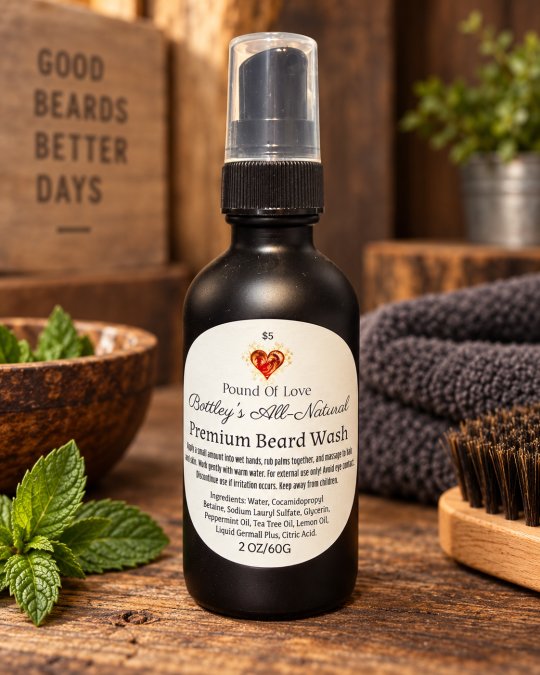
Decoding the INCI List: Order, Names, and What They Reveal
The INCI list is the ingredient list written in standardized Latin-based names, and it is the single most honest part of any package. Water shows up as Aqua. Shea butter shows up as Butyrospermum Parkii. If a "botanical" product lists Aqua first and its star plant extract after the preservative, that plant is decoration, not the formula.
A few decoding shortcuts:
- Anything listed after Phenoxyethanol is usually under 1%
- "Parfum" or "Fragrance" can hide dozens of compounds
- Latin names are not a gimmick, they are a standard
Synthetic vs. Natural Ingredients: Reading the Difference
Synthetic ingredients are lab-made compounds, while natural ingredients come from plants, minerals, or animal sources. Neither category is automatically safer. The useful question is not "natural or synthetic" but "what is this ingredient doing, and at what dose." Petrochemicals like mineral oil can sit on skin without absorbing, while some plant oils are rich in fatty acids that support the skin barrier.
Reading the difference comes down to three checks:
Shop Pound Of Love Naturals now! →
- Does the name end in -cone, -paraben, or - sulfate? Usually synthetic
- Does it name a plant, butter, clay, or oil? Usually natural origin
- Is the natural ingredient listed near the top? If not, it is mostly marketing
Common Greenwashing Buzzwords in Beauty (and What They Hide)
Buzzwords like "clean," "green," and "eco-friendly" have no legal definition in most cases, which is exactly why brands lean on them. The U.S. Food and Drug Administration's cosmetics labeling guidance governs what must appear on a label, but terms like "natural" and "pure" fall outside strict rules. That leaves the interpretation to you.
Watch these words closely:
- "Chemical-free", impossible, since water is a chemical
- "Non-toxic", implies competitors are toxic, with no proof
- "Clean beauty", a marketing category, not a safety standard
- "Plant-based", can mean 1% plant content
Why Fragrance Is a Red Flag on Any Label
Fragrance is a catch-all term that can represent a blend of dozens of undisclosed compounds, and it is one of the most common triggers for sensitive skin. "Fragrance-free" and "unscented" are not the same thing, either. Unscented products often contain masking fragrances to hide the smell of other ingredients.
If your skin is reactive, look for:
- Products labeled fragrance-free, not just unscented
- Essential-oil blends listed by name instead of "parfum"
- Short ingredient lists you can actually read
Third-Party Certifications for Skincare That Actually Mean Something
Third-party certifications are seals awarded by independent bodies after a product meets a published standard, and they carry more weight than any in-house claim. The COSMOS organic and natural standard is one example, verifying organic content and sourcing across the supply chain. But a seal is only useful if you know what it checks, and what it does not.
Here is what each major certification actually verifies, and where its scope ends:
| Certification | What It Verifies | What It Does NOT Verify | Best For |
|---|---|---|---|
| COSMOS Organic | Organic content thresholds, sourcing, manufacturing | Packaging recyclability, cruelty-free status | Botanical formulas with high organic content |
| COSMOS Natural | Natural-origin content, limited synthetic processing | Organic percentage | Brands using natural ingredients without organic claims |
| USDA Organic | Agricultural origin and organic farming practices | Cosmetic safety, sustainability of packaging | Plant-based products with farm-traceable inputs |
| Leaping Bunny | No animal testing at any stage of supply chain | Ingredient sourcing, environmental impact | Cruelty-free shoppers |
| EWG Verified | Ingredient transparency against EWG's own hazard database | Efficacy, sustainability, sourcing ethics | Sensitive-skin shoppers screening for flagged ingredients |
| B Corp | Social and environmental performance across the whole company | Individual product formulas | Brands with broad sustainability commitments |
A few things worth knowing before you trust a logo:
- Certifications are scope-limited. Leaping Bunny says nothing about whether a formula is biodegradable. USDA Organic says nothing about whether the packaging is recyclable. A brand can stack three seals and still ship in virgin plastic.
- Some seals are self-assessed. If a brand's "certification" is awarded by a body it funds or controls, treat it as a marketing claim, not a third-party standard.
- Verification is public. Most legitimate certifying bodies publish a searchable database of certified products. If you cannot find the product in the certifier's own lookup tool, the seal is worth questioning.
- Seals do not cover the front-of-bottle claims. A COSMOS-certified product can still use the word "clean" on its label, because "clean" is not part of any certification standard.
The practical move: pick the one or two certifications that match what you actually care about, organic content, cruelty-free status, ingredient transparency, and check the certifier's database directly. A seal you cannot verify is just a sticker.
Clean Beauty vs. Greenwashing: The Distinction That Matters
Clean beauty is a marketing category with no fixed definition, while greenwashing is a specific misleading claim. A brand can sell "clean beauty" honestly or dishonestly. The distinction matters because it separates intent from execution. You are not hunting for villains, you are hunting for evidence.
Ask three questions:
Shop Pound Of Love Naturals now! →
- Does the brand publish full ingredient lists?
- Can you trace where its ingredients come from?
- Does it make claims it cannot prove?
If the answer to any of these is no, treat the "clean" label with caution.
The Regulatory Landscape: What Brands Can and Cannot Claim
The regulatory landscape for skincare claims is looser than most shoppers assume. In the United States, the FDA regulates cosmetics for safety and labeling but does not pre-approve most claims. The FTC polices advertising for false or misleading statements, including environmental claims under its Green Guides. That means a brand can say "natural" without proving it, until someone files a complaint.
What this means for you:
- "Organic" is regulated only when tied to a certified standard
- "Natural" has no legal definition in cosmetics
- Environmental claims must be specific and substantiated to pass FTC review
Building a Greenwashing Checklist for Your Next Purchase
A greenwashing checklist turns label reading into a fast, repeatable habit. Use this one the next time you pick up a bottle.
- Read the first five INCI ingredients
- Check for "fragrance" or "parfum" if you have sensitive skin
- Look for a named third-party certification
- Search the brand's sourcing and supply chain transparency
- Ignore front-of-bottle claims and trust the back
- Confirm packaging recyclability claims with your local program
Learning how to identify greenwashing in skincare comes down to one habit: trust the back of the bottle, not the front. At Pound Of Love Naturals, every small-batch product is built on pure botanical oils, butters, and clays, with no synthetic fillers and full ingredient transparency.
Frequently Asked Questions
How can you tell if a skincare brand is greenwashing?
Check the ingredient list against the marketing claims. If a product says 'chemical-free' but lists preservatives, or claims 'natural' while leading with synthetic ingredients, that is greenwashing. Look for vague terms like 'eco-friendly' without certification, missing INCI lists, and imagery of leaves or plants that does not match what is actually inside the bottle. Third-party certifications like COSMOS or USDA Organic add verifiable credibility.
What are the most common greenwashing buzzwords in beauty products?
Watch for 'natural,' 'clean,' 'eco-friendly,' 'chemical-free,' and 'non-toxic.' None of these have legal definitions in skincare. A product labeled 'chemical-free' still contains water, which is a chemical. 'Natural' ingredients can include known irritants like essential oils. Brands use these words because they trigger positive feelings, not because they guarantee safer or more sustainable formulas. Always verify claims against the actual ingredient list.
What third-party certifications for skincare should I look for?
COSMOS certifies organic and natural cosmetics against strict criteria. USDA Organic verifies agricultural ingredients. Leaping Bunny confirms cruelty-free practices. EWG Verified checks ingredient safety against a public database. These certifications require audits and documentation, so they carry more weight than a brand's own 'green' label. If a product claims sustainability but carries no recognized certification, treat that claim as unverified marketing.
Why is it difficult to identify greenwashing in skincare?
Skincare labeling rules in the United States are looser than in food or drugs. The FDA regulates cosmetics for safety but does not pre-approve marketing claims like 'natural' or 'clean.' Brands can use these terms freely as long as they are not outright false. Combined with complex INCI names and packaging designed to look earthy, this makes it hard for shoppers to separate real transparency from green marketing.