
Heart Grown Wild vs Pretty Farm Girl: A Skincare Comparison
Table of Contents
- Heart Grown Wild vs Pretty Farm Girl: What Sets Them Apart
- Understanding Heart Grown Wild Ingredients
- Understanding Pretty Farm Girl Ingredients
- How to Compare Skincare Ingredients Across Brands
- Product Range and Formulation Focus
- Making Your Choice: Which Brand Aligns With Your Needs
- Frequently Asked Questions
Last Updated: October 10, 2026
Heart Grown Wild vs Pretty Farm Girl: What Sets Them Apart
When you're shopping for botanical skincare, the choice between Heart Grown Wild vs Pretty Farm Girl often comes down to one question: which brand's approach to natural ingredients actually matches what your skin needs? Both companies emphasize small-batch production and farm-grown botanicals, but their formulation philosophies differ in meaningful ways. Understanding those differences helps you pick the brand that aligns with your skincare priorities.
This guide walks you through the specifics so you can make an informed choice.
Understanding Heart Grown Wild Ingredients
Heart Grown Wild builds its skincare line around what the brand calls regenerative farming practices and heirloom botanical sourcing. The brand publishes detailed information about where each botanical comes from and how it's processed.
Their formulations typically feature:
- Cold-pressed botanical oils (rosemary, castor oil, neem), cold-pressing preserves volatile compounds that heat-processing degrades
- Herbal infusions (tea tree and traditional herbs), infusions extract water-soluble compounds
- Grass-fed tallow as a primary base in several products, tallow contains fat-soluble vitamins (A, D, E, K) and fatty acid profiles similar to skin sebum
- Minimal additional ingredients, fewer ingredients reduce the risk of irritation
The brand's facial care products, particularly their cleansers and toners, lean toward clarifying formulations. This positioning suggests they're targeting oily or congested skin types, since clarifying botanicals like neem and tea tree are traditionally used for oil control. Their moisturizers and facial creams use tallow as the primary ingredient, which differs fundamentally from plant-based alternatives: tallow is occlusive (creates a barrier) rather than humectant (draws moisture in).
The scalp serum line features rosemary and castor oil as primary actives. Rosemary is traditionally associated with scalp circulation, while castor oil is a thick occlusive that can coat the scalp.
One distinguishing factor: Heart Grown Wild publishes batch information and sourcing details on their website. This transparency is valuable, but it's important to note that "regenerative farming" and "heirloom botanicals" are marketing terms without standardized definitions.
Understanding Pretty Farm Girl Ingredients
Pretty Farm Girl positions itself around farm-grown herbs and what the brand calls toxin-conscious skincare formulations. Their ingredient list emphasizes fresh ingredients sourced directly from their own farming operations.
Their product line typically includes:
- Farm-grown herbal extracts and infusions
- Plant-based butters and botanical oils
- Clay-based formulations for facial care
- Essential oils and dried herbs as active ingredients
Pretty Farm Girl's facial care focuses on clay-based cleansers and toners designed for oil control and skin clarity. Their moisturizers emphasize plant-based butters over tallow, positioning this choice as aligned with vegan skincare preferences. The body care and soap lines feature their proprietary herbal blends, with an emphasis on small-batch production runs.
The brand's marketing centers on the idea of "farm-to-face" production, meaning ingredients move from their own fields to finished products with minimal intermediaries. This approach appeals to consumers prioritizing direct sourcing and local production.
How to Compare Skincare Ingredients Across Brands
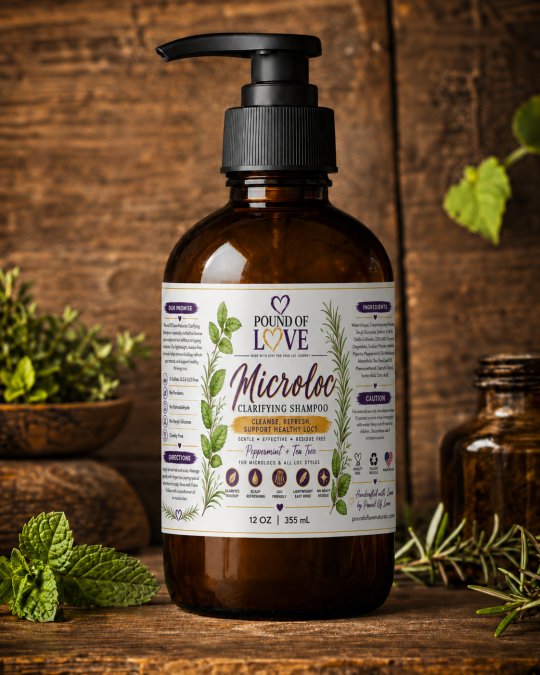
When evaluating botanical skincare brands, start by reading ingredient lists in reverse order, the first five ingredients represent the bulk of the formula. For Heart Grown Wild vs Pretty Farm Girl, this reveals their different priorities immediately.
Check whether the brand discloses sourcing information. Heart Grown Wild publishes regenerative farming details; Pretty Farm Girl emphasizes their own farm operations. Both approaches signal ingredient transparency, but they answer different questions. One tells you about agricultural practices; the other tells you about production proximity.
Shop Pound Of Love Naturals now! →
Look at the base ingredients. Heart Grown Wild favors grass-fed tallow in many formulations, while Pretty Farm Girl leans toward plant-based butters. Neither is inherently superior, tallow offers certain nutrient profiles, while plant butters appeal to different skin types and dietary preferences.
Identify the active botanical ingredients. Heart Grown Wild features rosemary, castor oil, neem, and tea tree prominently. Pretty Farm Girl's herbal blends vary by product but emphasize their farm-grown herbs. If you know your skin responds well to specific botanicals, this comparison narrows your choice quickly.
Ask whether the brand specifies processing methods. Cold-pressed oils retain more nutrients than heat-processed alternatives. Both brands mention their processing approaches in product descriptions, but the level of detail varies.
| Comparison Factor | Heart Grown Wild | Pretty Farm Girl |
|---|---|---|
| Primary Base | Grass-fed tallow | Plant-based butters |
| Sourcing Model | Regenerative farming partnerships | Direct farm operations |
| Transparency Level | Batch-specific sourcing details | Farm-to-face emphasis |
| Featured Botanicals | Rosemary, castor oil, neem, tea tree | Farm-grown herbal blends |
| Facial Care Focus | Clarifying and balancing | Clay-based formulations |
| Body Care Approach | Small-batch botanical blends | Proprietary herbal combinations |
Product Range and Formulation Focus
Heart Grown Wild and Pretty Farm Girl take fundamentally different approaches to how many products a consumer needs to build a complete skincare routine, and this difference has real implications for how you'll use each brand.
Heart Grown Wild's Single-Purpose Model
Heart Grown Wild maintains a simplified product range where each item serves one primary function. A cleanser is formulated to cleanse; a toner is formulated to balance pH and prep skin for the next step; a moisturizer is formulated to seal hydration. This approach requires consumers to layer multiple products to address multiple concerns.
Example routine: If you want to cleanse, tone, and moisturize your face, you're purchasing and applying three separate products. If you also want scalp care, you're adding a fourth product. The advantage is precision, each product is optimized for its single job.
This model appeals to consumers who:
- Already use multiple skincare products and understand layering
- Have specific, isolated skin concerns (oily T-zone but dry cheeks, for example)
- Prefer to adjust their routine seasonally by swapping products
- Don't mind spending 5-10 minutes on a skincare routine
Pretty Farm Girl's Multi-Purpose Model
Pretty Farm Girl emphasizes combination products that serve multiple functions in a single application. Their cleansing balms also moisturize; their body products work on both skin and scalp; their toners double as light moisturizers. This approach reduces the number of items a consumer needs to purchase and apply.
Example routine: A single cleansing balm removes makeup and cleanses while also conditioning the skin, eliminating the need for a separate moisturizer step. A multi-purpose body product works on dry patches, irritated areas, and general maintenance without requiring separate creams for different body zones.
This model appeals to consumers who:
- Are new to skincare and find multi-step routines overwhelming
- Have limited time for a morning or evening routine
- Prefer minimalist product collections
- Want to reduce the number of bottles and ingredients they're applying
- Travel frequently and need compact, versatile products
The Trade-Off in Formulation Philosophy
Shop Pound Of Love Naturals now! →
The single-purpose approach (Heart Grown Wild) allows for higher concentrations of active botanicals in each product, since the formula doesn't have to balance multiple functions. A toner can be more astringent; a moisturizer can be richer.
The multi-purpose approach (Pretty Farm Girl) requires formulations that work across different skin needs.
Neither approach is objectively superior. The choice depends on your actual skincare habits.
Making Your Choice: Which Brand Aligns With Your Needs
Your choice between Heart Grown Wild vs Pretty Farm Girl depends on three practical questions: Which base ingredient does your skin prefer? How important is sourcing transparency to you? And do you want single-purpose or multi-use products?
If your skin responds well to tallow-based formulations and you value detailed sourcing information, Heart Grown Wild's approach matches those priorities. Their emphasis on regenerative farming and batch-specific transparency appeals to consumers who research ingredient origins before purchasing.
If you prefer plant-based formulations, appreciate the farm-to-face production model, and want versatile products that serve multiple purposes, Pretty Farm Girl's range aligns with those values. Their focus on their own farming operations and multi-use formulations creates a different user experience.
Consider starting with a single product from your preferred brand rather than committing to a full routine. This approach lets you assess how your skin responds to their specific formulations before expanding your purchase. Pay attention to how your skin feels after two to three weeks of consistent use.
If you're drawn to botanical skincare but want to explore options beyond these two brands, Pound Of Love Naturals offers handcrafted formulations built on similar principles: pure natural ingredients, small-batch production, and ingredient transparency. Our approach emphasizes skin barrier support through botanical oils, butters, clays, and herbs formulated to work in harmony with your body's natural biology.
Choosing the right botanical skincare brand means matching the brand's formulation approach to your skin's actual needs. Both Heart Grown Wild vs Pretty Farm Girl deliver quality natural skincare, your job is determining which brand's philosophy and product structure fits your routine and skin type. Test products individually, observe your skin's response over several weeks, and let that feedback guide your choice.
Frequently Asked Questions
How does Heart Grown Wild compare with Pretty Farm Girl?
Both brands prioritize botanical skincare and small-batch production, but they differ in ingredient sourcing, product formulation, and production methods. Heart Grown Wild emphasizes specific botanical ingredients and handcrafted techniques, while Pretty Farm Girl focuses on farm-grown herbs and natural sourcing. The best choice depends on your skin type, specific concerns, and ingredient preferences. Reading ingredient lists carefully and testing products on your skin type will help you determine which brand's formulation aligns with your needs.
What should I look for when choosing between small-batch botanical skincare brands?
When comparing skincare brands, examine ingredient sourcing, production methods, and transparency about what goes into each product. Check for specific botanical ingredients that address your skin concerns, such as moisturizers for dry skin or clarifying ingredients for oily skin. Consider the brand's commitment to clean formulations without synthetic fillers. Look for information about handcrafted production, ingredient freshness, and whether the brand provides clear explanations of how each ingredient supports skin health. This transparency helps you make an informed choice.
How can I tell whether a skincare product is right for my preferences?
Start by identifying your primary skin concerns: dryness, sensitivity, scalp balance, or general nourishment. Review the product's ingredient list and research what each botanical ingredient does. If you have sensitive or eczema-prone skin, patch-test new products on a small area first. Consider whether you prefer specific ingredients like grass-fed tallow, plant-based butters, or particular herbs. Check if the brand offers detailed product descriptions explaining how the formulation supports your specific needs. This research-first approach reduces the risk of purchasing products that won't work for you.
What makes a skincare brand's ingredient sourcing and transparency trustworthy?
Trustworthy brands clearly explain where their botanical ingredients come from and how they're sourced. Look for information about regenerative farming practices, organic sourcing, or partnerships with specific growers. Brands that detail their ingredient sourcing and production methods demonstrate commitment to quality. Check whether the company provides information about ingredient freshness, purity, and how they maintain ingredient integrity in their formulations. Transparent brands also explain why they chose specific ingredients and what role each plays in the product's effectiveness.