
Why Choose Small-Batch Skincare Brands
Table of Contents
- What Does Small-Batch Skincare Mean
- Small-Batch Skincare vs. Mass-Produced Skincare
- The Real Difference: Hands-On Oversight and Craftsmanship
- Freshness, Potency, and Shelf Life Explained
- How to Choose a Natural Skincare Brand
- Environmental Impact and Sustainable Practices
- Is Small-Batch Skincare Right for You
- Frequently Asked Questions
Last Updated: October 5, 2026
What Does Small-Batch Skincare Mean
Small-batch skincare brands refer to skincare products made in limited quantities by independent makers who prioritize ingredient quality and hands-on production. Unlike mass-produced formulas manufactured in massive runs, small-batch skincare brands control every step of the process, from sourcing botanicals to mixing, testing, and packaging each batch.
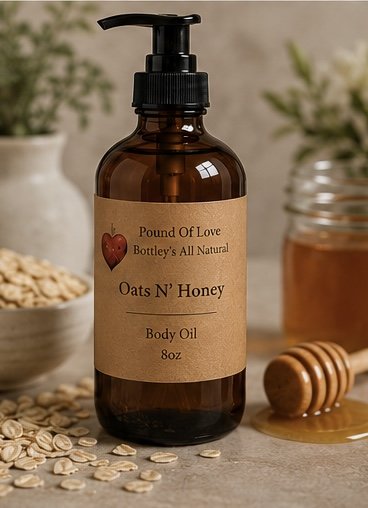
The defining characteristic is scale. A small-batch producer might create 50 to 500 units of a single formula at a time, whereas mass manufacturers produce thousands or millions. This limited production run allows for closer attention to ingredient freshness, consistency, and potency.
At Pound Of Love Naturals, we embrace this philosophy entirely. Every product is handcrafted to order, shipped within 2-5 business days, and formulated with botanical oils, butters, and clays that preserve their natural integrity. This approach means your skincare arrives fresher and more potent than products sitting in warehouses for months.
The transparency matters too. When a brand makes small batches, customers can often trace where ingredients come from and understand exactly what's in their jar. That visibility builds trust.
Small-Batch Skincare vs. Mass-Produced Skincare
The differences between small-batch and mass-produced skincare run deeper than volume. They reflect fundamentally different priorities in how products are made, preserved, and delivered to you.
Production Scale and Freshness
Mass production demands stability. When a company manufactures 100,000 units of a moisturizer, that product must remain shelf-stable for 12-24 months. It sits in distribution centers, warehouses, and store shelves. To achieve that longevity, formulators rely on synthetic preservatives, stabilizers, and shelf-life extenders that keep ingredients from degrading.
Small-batch skincare operates on a different timeline. Because production runs are smaller and orders are fulfilled quickly, formulators can use fresher botanical ingredients and gentler preservation systems. Many small-batch brands reduce synthetic preservatives entirely, relying instead on natural antimicrobial botanicals and shorter shelf lives.
The freshness factor matters for potency. Botanical oils oxidize over time. Herb extracts lose their active compounds. Honey's enzyme activity diminishes. A product made last month and shipped to you is chemically different, and often more effective, than one made six months ago and stored in a warehouse.
Ingredient Integrity and Quality Control
Mass manufacturers buy ingredients in bulk to reduce costs. They source from commodity suppliers, often purchasing pre-processed extracts or standardized botanical powders. These ingredients are stable, consistent, and affordable, but they're not always the highest quality available.
Small-batch makers often source whole botanicals or less-processed ingredients directly from growers. They control the extraction process themselves or partner with suppliers who prioritize potency over price. This approach costs more, but it preserves the full spectrum of beneficial compounds in each ingredient.
Quality control operates differently too. Mass production relies on testing batches at the end of the manufacturing line. Small-batch production allows for ingredient inspection before mixing, monitoring during formulation, and testing of finished products. Many small-batch makers conduct stability testing on their formulas to verify that natural preservation systems actually work.
The result is products with higher concentrations of active botanicals. When you buy a small-batch facial moisturizer with turmeric, calendula, and tallow, like Bottley's All-Natural Facial Moisturizer, you're getting whole-plant ingredients in their most potent form, not diluted extracts.

The Real Difference: Hands-On Oversight and Craftsmanship
Here's what separates small-batch skincare from everything else: the person making your product knows what they're making, why they're making it, and how it performs.
In mass manufacturing, formulation happens in a lab. Production happens on an assembly line managed by people who didn't design the formula. Quality control is statistical and automated. The maker never touches the product.
Small-batch makers are different. They formulate, produce, test, and often ship products themselves. They see customer feedback directly. They understand how ingredient choices affect the final texture, scent, and performance.
This hands-on approach catches problems that automated systems miss. A formulator might notice that a botanical ingredient from a new supplier behaves differently during mixing. They can adjust ratios or sourcing before the batch ships.
Craftsmanship means accountability. When you buy from a small-batch maker, you're buying from someone whose reputation depends entirely on the product working. They can't hide behind a massive corporation.
Freshness, Potency, and Shelf Life Explained
The freshness conversation often gets confused with shelf life. They're related but different.
Freshness means how recently the product was made. A fresh product has ingredients at peak potency, botanicals haven't oxidized, enzymes are still active, and beneficial compounds haven't degraded.
Shelf life means how long a product remains stable and safe to use. Mass-produced skincare has long shelf lives (18-24 months) because synthetic preservatives prevent microbial growth and ingredient degradation.
Here's the practical implication: a small-batch product with a 9-month shelf life is fresher when you receive it than a mass-produced product with an 18-month shelf life.
The trade-off is real, though. Shorter shelf life means you need to use the product more quickly.
Microbial safety is important here too. Small-batch makers use natural preservation systems, essential oils, botanical extracts, or carefully balanced pH, to prevent bacterial and mold growth.
Neither approach is inherently "better." Shorter shelf life with fresher ingredients suits someone who uses skincare regularly. Longer shelf life with synthetic preservatives suits someone who buys infrequently or keeps backups.
How to Choose a Natural Skincare Brand
Not every brand claiming to be "natural" or "small-batch" actually delivers on those promises. Greenwashing is common in skincare, brands use natural-sounding names, botanical imagery, and vague marketing language to suggest quality they don't actually provide.
Oats Goat's Milk & Honey Soap →
Here's how to evaluate whether a small-batch brand is legitimate:
Check the ingredient list. Real small-batch makers list ingredients clearly and use names you recognize. Look for whole botanicals (turmeric powder, calendula extract, jojoba oil) rather than fragmented chemical names. If the list is longer than 15 ingredients, ask yourself whether each one serves a purpose or if some are fillers.
Verify sourcing claims. Legitimate small-batch brands explain where ingredients come from. They might mention "grass-fed tallow" or "organic olive oil" or "wildcrafted herbs." Vague language like "natural ingredients" or "botanical blend" without specifics is a red flag.
Look for transparency on production. Does the brand explain how products are made? Do they mention cold-pressing, hand-mixing, or small-batch curing? Do they share information about testing or quality control? Transparency signals confidence.
Check for shelf-life honesty. Small-batch skincare should list an expiration date or "use by" date. If a brand claims a product lasts 24 months without explaining how, they're likely using synthetic preservatives they're not disclosing.
Read customer feedback carefully. Look for patterns, not just praise. Do customers mention results? Do they describe texture, scent, or how long products last? Do they mention any irritation or issues?
Assess pricing logic. Small-batch skincare costs more because production is slower and ingredient costs are higher. If a brand claims to be small-batch but prices like mass-market, something's off. Conversely, premium pricing alone doesn't guarantee quality.
| Evaluation Criteria | What to Look For | Red Flag |
|---|---|---|
| Ingredients | Recognizable botanicals, short list | Long list of chemical names, vague "blend" |
| Sourcing | Specific origin details | "Natural" without specifics |
| Production | Explained methods, transparency | No information about how it's made |
| Shelf Life | Expiration date listed | Claims 24+ months without explanation |
| Customer Feedback | Specific results and descriptions | Generic praise or no reviews |
| Pricing | Higher cost justified by quality | Premium price without clear reason |
Environmental Impact and Sustainable Practices
Small-batch production inherently generates less waste than mass manufacturing. Smaller production runs mean fewer failed batches, less overstock, and less product discarded due to expiration.
But sustainability varies widely among small-batch brands. Some prioritize it; others don't.
Real sustainability in small-batch skincare looks like this: minimal, recyclable, or compostable packaging. Glass jars instead of plastic. Cardboard instead of plastic film. No excess padding or promotional materials. Refill programs or return-for-refill options.
It also means responsible ingredient sourcing. Sustainable small-batch brands work with suppliers who practice ethical harvesting, support fair wages, and protect ecosystems. They avoid over-harvested botanicals and choose ingredients that regenerate quickly.
The environmental advantage of small-batch skincare is real but modest. A small maker using plastic packaging has a larger carbon footprint per unit than a mass manufacturer using optimized logistics and bulk packaging.
Look for brands that disclose their packaging materials, explain their sourcing practices, and show willingness to reduce waste. Pound Of Love Naturals ships products quickly to minimize storage and spoilage, handcrafted items ready to use, not sitting in warehouses.
Is Small-Batch Skincare Right for You
Small-batch skincare isn't universally better, it's different, with real advantages and trade-offs.
Small-batch skincare works best if:
- You have sensitive or reactive skin and want to avoid synthetic preservatives
- You're willing to pay more for fresher, more potent botanical ingredients
- You prefer transparency and direct relationships with makers
- You use skincare regularly enough to finish products before they expire
- You're comfortable with less product variety (small makers focus on core formulas)
- You value craftsmanship and hands-on quality control over convenience
Mass-produced skincare makes more sense if:
- You need products available everywhere, anytime
- You prefer consistency and standardization across batches
- You buy skincare infrequently or keep backups for extended periods
- You want lower prices and maximum shelf stability
- You're looking for extensive product ranges and options
- You prefer familiar, established brands with extensive testing data
The honest truth: small-batch skincare won't solve every skin problem. Neither will mass-produced skincare. What matters is finding products formulated for your specific skin type and concerns.
If you have resilient, non-reactive skin, the difference between small-batch and mass-produced might be minimal. You'll get results from either approach.
The decision ultimately comes down to priorities. If freshness, ingredient integrity, and transparency matter to you, small-batch is worth the investment. If convenience and price matter more, mass-produced is the practical choice.
Frequently Asked Questions
What does small-batch skincare mean?
Small-batch skincare refers to products made in limited production runs using handcrafted methods and fresh ingredients. Unlike mass-produced skincare manufactured in large quantities with long shelf lives, small-batch products prioritize ingredient freshness, hands-on quality control, and careful formulation. Each batch is typically made in smaller quantities to ensure consistency and potency, allowing makers to adjust formulas based on ingredient availability and seasonal variations.
Is small-batch skincare actually better than mass-produced skincare?
Small-batch and mass-produced skincare serve different priorities. Small-batch skincare excels in ingredient freshness, transparency, and hands-on quality oversight. Mass-produced options offer consistency and accessibility. The choice depends on your skin's needs: if you prioritize fresh botanical ingredients and minimal processing, small-batch may suit your values; if you need affordability and availability, mass production may suit you better. Neither is universally superior, it's about alignment with your values and skin concerns.
How can I tell if a skincare brand actually makes products in small batches?
Look for these indicators: transparent ingredient sourcing with specific origins listed, production dates or batch numbers on packaging, handcrafted or cold-process methods mentioned in product descriptions, limited quantities available, extended production timelines (like 2-5 business days for made-to-order items), and direct communication from the maker about formulation choices. Genuine small-batch brands openly discuss their production methods and ingredient selections rather than using vague marketing language. Request information about shelf life, preservation methods, and quality testing, brands committed to small-batch production are typically eager to share these details.
What should I look for when choosing a botanical skincare brand?
Evaluate brands on ingredient transparency (full ingredient lists with botanical names), sourcing practices (where oils, butters, and herbs come from), production methods (cold-process, handcrafted, or small-batch), preservation approach (how they maintain freshness without synthetic preservatives), and suitability for your skin type. Check whether the brand tests products for stability and microbial safety, offers batch consistency information, and provides clear guidance on shelf life and storage. Ask about their approach to sensitive skin. Brands that openly discuss trade-offs, such as shorter shelf life or higher pricing, tend to prioritize integrity over greenwashing.
Choosing skincare that aligns with your values and skin needs is the real win. Small-batch skincare brands like Pound Of Love Naturals offer handcrafted formulas with botanical oils, butters, and clays designed to work with your skin's natural biology. Our products ship within 2-5 business days, ensuring freshness and potency. Shop Pound Of Love Naturals now and experience the difference that small-batch craftsmanship makes.